

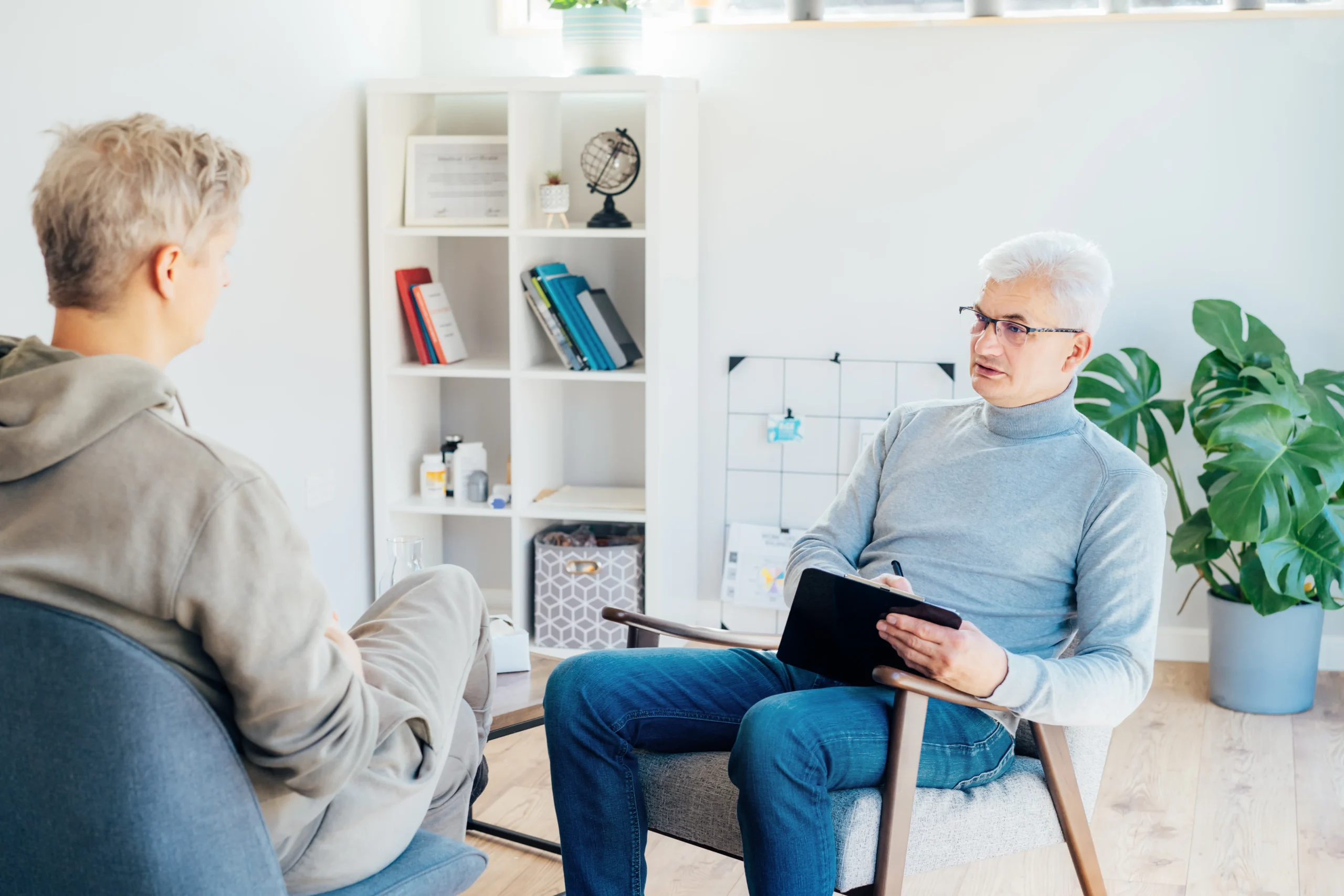
You’re not avoiding the grocery store because of contamination fears. You’re not spending two hours checking locks before bed. You’re not canceling plans because social situations feel unbearable.
Life after exposure therapy looks different. You go places without the mental checklist of escape routes. You handle uncertainty without needing reassurance. You think about your day instead of your fears.
The anxiety doesn’t disappear completely—that’s not how this works. But it stops running the show. You learn that discomfort won’t destroy you, that intrusive thoughts are just noise, that facing what scares you actually makes it less scary. Research shows that 60-80% of people who complete exposure therapy experience significant relief. Not because the world became safer, but because you became stronger.
The Anxiety and OCD Institute brings nationally recognized expertise to Beaumont, TX through both virtual and in-person exposure therapy services. Our team includes clinicians who’ve authored foundational treatment books, shaped international OCD guidelines, and published research that other therapists study. But credentials only tell half the story.
Many of our clinicians have lived experience with the conditions we treat. We understand what it’s like when your brain won’t stop asking “what if.” We know the shame that comes with intrusive thoughts. This combination of clinical authority and genuine empathy creates something rare: treatment from people who truly get it.
Whether you’re in Beaumont or across Southeast Texas, you can access this specialized care. We serve children, adolescents, and adults dealing with OCD, phobias, social anxiety, PTSD, and related conditions. No thought is too disturbing to discuss here. No fear is too irrational to address.

Exposure therapy—specifically Exposure and Response Prevention (ERP)—works by gradually helping you face what you fear while resisting the urge to escape or perform compulsions. It sounds simple, but the process is carefully structured.
You start by building a fear hierarchy with your therapist. This is a roadmap of situations, thoughts, or objects that trigger anxiety, ranked from least to most distressing. You don’t dive into your worst fear on day one. You begin with something manageable—maybe a 3 or 4 on a scale of 10.
During exposure, you confront that trigger in a controlled way. If you have contamination OCD, you might touch a doorknob without washing your hands immediately. If you have social anxiety, you might make eye contact with strangers. If you’re dealing with PTSD, you might revisit trauma memories through imaginal exposure or prolonged exposure techniques. The key is staying with the discomfort long enough for your anxiety to naturally decrease—without doing the ritual, without seeking reassurance, without escaping.
Your brain learns something critical during this process: the catastrophe you feared doesn’t happen. Or if discomfort happens, you can handle it. Over time, the anxiety response weakens. What once felt unbearable becomes tolerable, then manageable, then barely noticeable.
Sessions typically run 60-90 minutes, and most people need 12-20 sessions depending on the complexity of their concerns. Some situations call for our intensive four-day program, which compresses treatment into a focused format. Between sessions, you practice exposures as homework, building momentum and confidence.
Ready to get started?
Exposure therapy at the Anxiety and OCD Institute covers multiple evidence-based approaches depending on what you’re facing. For OCD, that means ERP—confronting obsessive triggers while preventing compulsive responses. For specific phobias like fear of flying, heights, or spiders, treatment uses in vivo exposure where you gradually face the actual feared object or situation. Virtual reality exposure therapy is available for phobias where real-world exposure is impractical or as a bridge to in-vivo work.
If you’re dealing with PTSD, prolonged exposure therapy helps you process traumatic memories through imaginal exposure and confront trauma reminders you’ve been avoiding. For social anxiety, exposure therapy in Beaumont, TX involves gradually entering feared social situations—making small talk, eating in public, speaking up in groups—while learning that the judgment you fear rarely materializes.
Treatment is personalized to your specific triggers and goals. You’re not following a generic protocol. Your therapist adjusts the pace, intensity, and type of exposure based on your progress and comfort level. This isn’t about flooding you with fear—it’s about building your capacity to handle discomfort in measured steps.
Beaumont residents benefit from flexible options: secure telehealth sessions that bring specialized care into your home, or in-person appointments if you prefer face-to-face support. For those traveling from surrounding areas or needing faster relief, our intensive four-day program condenses weeks of treatment into an immersive format. Every session includes psychoeducation so you understand why exposure works, breathing techniques to manage acute anxiety, and relapse prevention planning to maintain gains long-term.
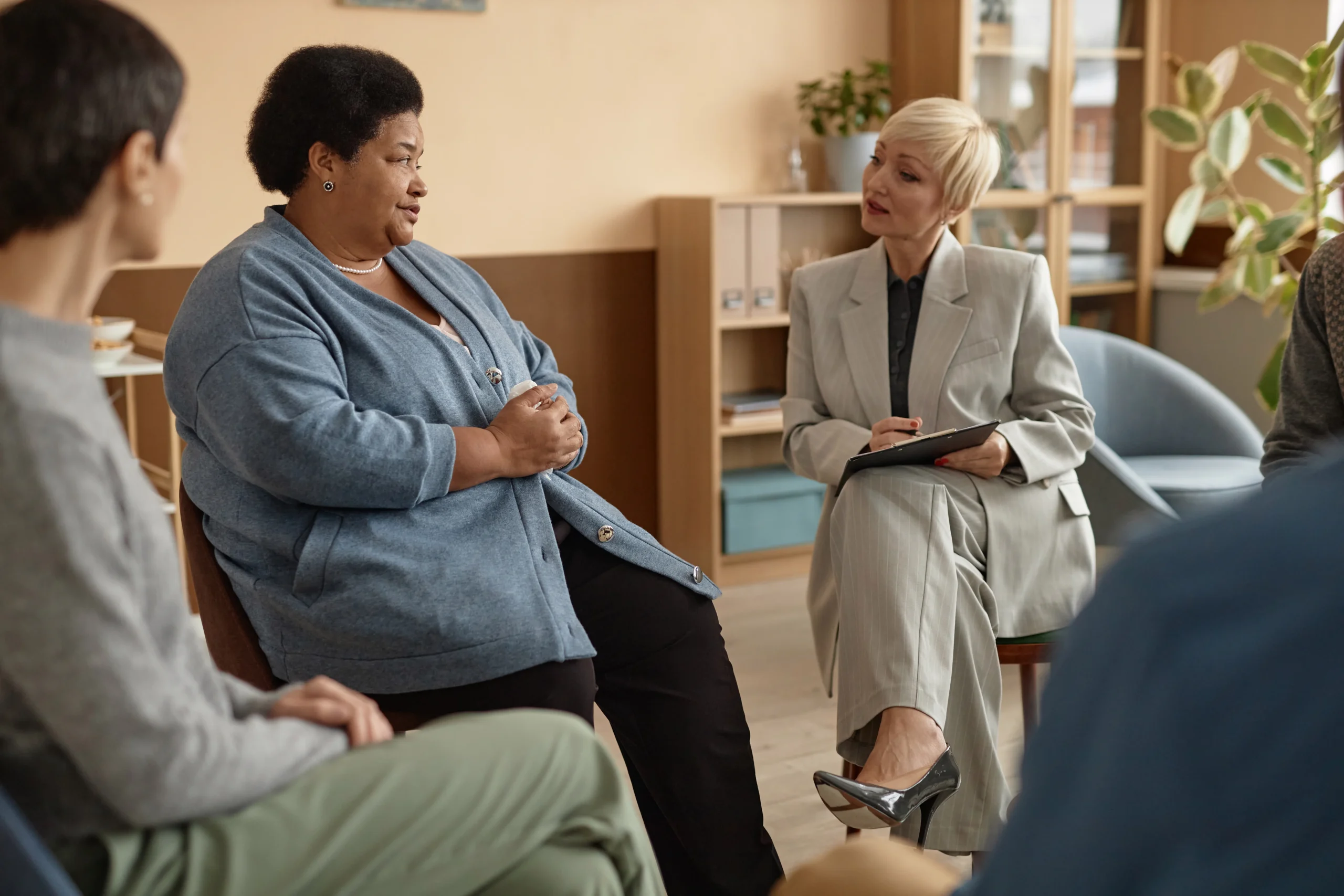
Talk therapy focuses on gaining insight into your problems through discussion and exploration of thoughts and feelings. Exposure therapy takes a different approach: you actively confront the situations, thoughts, or objects that trigger your anxiety while learning to resist avoidance and compulsions.
Research shows that for OCD, phobias, and certain anxiety disorders, insight alone doesn’t create lasting change. Your brain needs experiential learning—the kind that only happens when you face your fears and discover that the catastrophe you predicted doesn’t occur. During exposure therapy in Beaumont, TX, you’re not just talking about your contamination fears; you’re actually touching “contaminated” objects and not washing. You’re not just discussing social anxiety; you’re entering social situations and staying present.
This active approach is why exposure therapy has such strong effectiveness rates. It retrains your brain’s threat detection system rather than just helping you understand it. Most people need both the “doing” of exposure and some cognitive work, but the exposure component is what drives real symptom reduction.
Exposure therapy is safe when conducted by a trained professional exposure therapist. Yes, it will temporarily increase your anxiety during sessions—that’s actually necessary for the treatment to work. But you’re not in danger, and the discomfort is time-limited and purposeful.
Think of it like physical therapy after an injury. Moving a healing joint hurts, but controlled movement is what allows it to heal properly. Exposure therapy works similarly for anxiety. You experience discomfort in a controlled environment with a therapist guiding you, which teaches your brain that anxiety itself isn’t dangerous.
Your therapist in Beaumont, TX will never push you into an exposure you’re not ready for. You build a fear hierarchy together and progress gradually. If an exposure feels too intense, you adjust the difficulty level. The goal is to stay in your “learning zone”—uncomfortable enough to create change, but not so overwhelming that you shut down. Most people find that exposures aren’t as difficult as they anticipated, and their anxiety decreases faster than expected. Between-session anxiety may temporarily increase as you practice exposures, but this is a sign the treatment is working, not a setback.
Exposure therapy is the first-line treatment for OCD and is highly effective for most anxiety disorders. For OCD, it addresses all subtypes: contamination fears, harm obsessions, sexual or religious intrusive thoughts, symmetry and ordering compulsions, and checking behaviors. The treatment is the same regardless of what your obsessions focus on—you face the trigger while preventing the compulsion.
For phobias, exposure therapy treats specific fears like flying, heights, needles, blood, animals, enclosed spaces, and vomiting. Social anxiety responds well to exposure that gradually increases social risk—from making eye contact to giving presentations. Prolonged exposure for PTSD in Beaumont, TX helps process trauma memories and confront avoided reminders, whether your trauma stems from combat, assault, accidents, or other events.
Exposure therapy also treats panic disorder by confronting physical sensations and situations where panic attacks occur, generalized anxiety disorder through uncertainty exposure, and health anxiety by reducing reassurance-seeking and medical checking. The common thread across all these conditions is avoidance—you’re steering clear of something that triggers distress. Exposure therapy systematically helps you approach rather than avoid, which is how lasting change happens. Even complex presentations with multiple diagnoses or co-occurring depression can benefit from this approach.
Most people complete exposure therapy in 12-20 weekly sessions, which translates to about 3-5 months of treatment. You may start noticing improvement after just a few sessions, especially once you begin active exposures. The timeline varies based on the severity of your symptoms, how many different fears or compulsions you’re addressing, and how consistently you practice exposures between sessions.
Specific phobias often resolve faster—sometimes in as few as 6-8 sessions or even through intensive one-day treatments. OCD typically requires more time because you’re addressing multiple obsessions and compulsions, learning to tolerate uncertainty, and building new response patterns. PTSD treatment using prolonged exposure generally takes 8-15 sessions.
We also offer an intensive four-day treatment option that compresses weeks of therapy into a focused format. This works well for people traveling from a distance, those needing faster relief due to life circumstances, or individuals who benefit from immersive treatment. The intensive format delivers the same evidence-based exposure work in a condensed timeline.
What matters more than speed is lasting change. Exposure therapy isn’t a quick fix—it’s skill building. You’re learning to handle anxiety differently, which takes practice. The benefits typically continue growing even after treatment ends because you’ve developed tools you can apply to new situations. Many people maintain their gains years later, especially when they continue using exposure principles in daily life.
Virtual exposure therapy is highly effective and has been validated through extensive research, especially since 2020 when telehealth expanded rapidly. We offer both secure telehealth and in-person exposure therapy in Beaumont, TX, and many people achieve excellent results through virtual sessions.
For certain types of exposure, telehealth works seamlessly. Imaginal exposure for PTSD, where you revisit trauma memories verbally, translates perfectly to video sessions. Response prevention for OCD—resisting compulsions like checking, washing, or seeking reassurance—can be practiced wherever you are. Your therapist can guide you through in-vivo exposures in your own environment, which actually offers advantages since you’re confronting real-world triggers in the places where you’ll need to use these skills.
Some exposures benefit from in-person work. If you’re addressing social anxiety, practicing social interactions in your therapist’s office or community settings provides direct feedback and coaching. Certain phobia treatments work better with the therapist physically present, especially early in treatment when anxiety is highest. Virtual reality exposure therapy, when used, requires specialized equipment that may necessitate office visits.
The good news is you’re not locked into one format. Many people start with telehealth for convenience and flexibility, then transition to in-person for specific exposures, or vice versa. Your professional exposure therapist in Beaumont, TX will help you determine what makes sense for your situation. What matters most isn’t the format—it’s the quality of the treatment and your commitment to facing fears consistently.
Exposure therapy has strong success rates—60-80% of people experience significant improvement—but it’s not effective for everyone, and several factors influence outcomes. If you’re not seeing progress, the first step is figuring out why, not assuming the treatment failed.
Sometimes the issue is technical: exposures aren’t challenging enough to create learning, or they’re too intense and activating avoidance. Maybe you’re engaging in subtle compulsions or safety behaviors during exposures that prevent full habituation. Perhaps the frequency or duration of sessions needs adjustment, or homework practice isn’t happening consistently. A skilled exposure therapist in Beaumont, TX will troubleshoot these issues and modify the approach.
Other times, co-occurring conditions interfere. Severe depression, active substance use, or unstable life circumstances can limit your capacity to engage in exposure work. Addressing these factors first, or combining exposure therapy with medication, may be necessary. Some people need a different therapeutic approach added to exposure—like cognitive restructuring for deeply held beliefs, or trauma processing for complex PTSD.
Our team includes clinicians who specialize in complex presentations and treatment-resistant cases. We can identify what’s blocking progress and adjust accordingly. This might mean switching to intensive treatment, incorporating virtual reality exposure therapy for more controlled practice, or addressing underlying issues that standard exposure doesn’t touch. The key is honest communication with your therapist about what’s working and what isn’t. Treatment should feel challenging, but if you’re not seeing any improvement after 6-8 sessions of active exposure work, it’s time to reassess the approach together.
Other Services we provide in Beaumont