


When anxiety or OCD runs your life, you’re not just dealing with uncomfortable thoughts. You’re missing out—on relationships, opportunities, experiences that should feel safe. Exposure therapy works by gradually helping you confront the things you’ve been avoiding, in a controlled and supportive way, so your brain can learn what’s actually dangerous and what isn’t.
The difference shows up in how you move through your day. You stop planning your route around triggers. You can sit in a room without scanning for exits. You’re not spending hours on rituals that don’t actually keep you safe. For people dealing with OCD, PTSD, social anxiety, or specific phobias, exposure therapy has shown effectiveness rates of 60-80% for reducing symptoms—not by talking around the problem, but by facing it with the right support.
This isn’t about forcing yourself into situations that feel impossible. It’s about building confidence through a step-by-step process tailored to where you are right now. And it works because it targets the root of the problem: the learned fear response that keeps you stuck.
We bring specialized exposure-based treatment to Mission, TX through both virtual and in-person sessions. Our team includes nationally recognized clinicians who’ve contributed to international OCD treatment guidelines, published research, and trained other therapists in evidence-based methods. But what sets us apart is that many of our clinicians have lived experience with the very conditions we treat—OCD, anxiety disorders, PTSD—which means we understand what you’re going through from the inside.
For residents of Mission and the Rio Grande Valley, access to this level of specialized care has traditionally meant traveling hours or settling for general therapy that doesn’t address the core issue. We serve children, adolescents, and adults with culturally sensitive, personalized treatment that meets you where you are—geographically and emotionally. Transparency matters here. You’ll know what to expect at every step, what treatment costs, and how the process works before you commit.

Exposure therapy starts with understanding what you’re avoiding and why. In the first few sessions, your therapist will work with you to create a personalized hierarchy—a roadmap that ranks situations from least to most anxiety-provoking. This isn’t a one-size-fits-all list. It’s based on your specific triggers, your goals, and what matters most to you.
From there, you’ll begin gradual exposure. If you’re working on social anxiety, that might mean starting with something manageable—like making eye contact with a cashier—before progressing to more challenging situations like speaking up in a meeting. For OCD, it involves exposure to obsessive thoughts while resisting the compulsive behaviors that temporarily reduce anxiety. For PTSD, prolonged exposure for PTSD helps you process traumatic memories through both imaginal exposure (revisiting the memory in a safe space) and in vivo exposure (approaching trauma reminders in real life).
Your therapist guides you through each step, monitoring your response and adjusting the pace as needed. Some clients benefit from virtual reality exposure therapy, which creates controlled, realistic environments—useful when real-life exposure isn’t practical or safe. Between sessions, you’ll practice exposures on your own, building on what you’ve learned. Over time, your anxiety response weakens. You start to see that the things you’ve been avoiding aren’t as dangerous as your brain believed.
Treatment typically runs 8-15 weekly sessions, though intensive four-day programs are available for those who need faster progress or haven’t responded to traditional therapy. The goal isn’t just symptom reduction—it’s giving you the tools to handle future challenges without falling back into avoidance.

Ready to get started?
Exposure therapy at our institute addresses a range of conditions that respond to exposure-based interventions. For OCD, that means exposure and response prevention (ERP)—the gold-standard treatment that helps you confront obsessive thoughts without performing compulsions. For specific phobias—whether it’s fear of flying, heights, animals, or medical procedures—specialized phobia treatment uses gradual exposure to reduce fear responses that have kept you from living normally.
If you’re dealing with social anxiety, exposure therapy for social anxiety targets the situations you’ve been avoiding: public speaking, eating in front of others, attending gatherings, or even just making small talk. The treatment helps you learn that the judgment or rejection you fear either doesn’t happen or isn’t as catastrophic as it feels. For PTSD, prolonged exposure for PTSD is one of the most effective approaches, recommended by the American Psychological Association and the VA. It works by helping you process traumatic memories so they lose their power over you.
In Mission and the broader Rio Grande Valley, access to this kind of specialized care has been limited. Many residents have tried general counseling or medication without addressing the avoidance patterns that keep anxiety alive. We serve the Mission community with both telehealth and in-person options, recognizing that flexibility matters—especially in a region where driving long distances for weekly appointments isn’t always realistic. You’ll work with clinicians who understand the cultural context of the RGV, who respect your background, and who won’t judge the thoughts or fears you bring to sessions.
Treatment also includes innovative options like virtual reality exposure therapy, which allows you to confront feared situations—like crowded spaces, driving, or trauma-related environments—in a controlled virtual setting. It’s particularly useful when real-world exposure is difficult to arrange or when you need more control over the intensity of the experience.
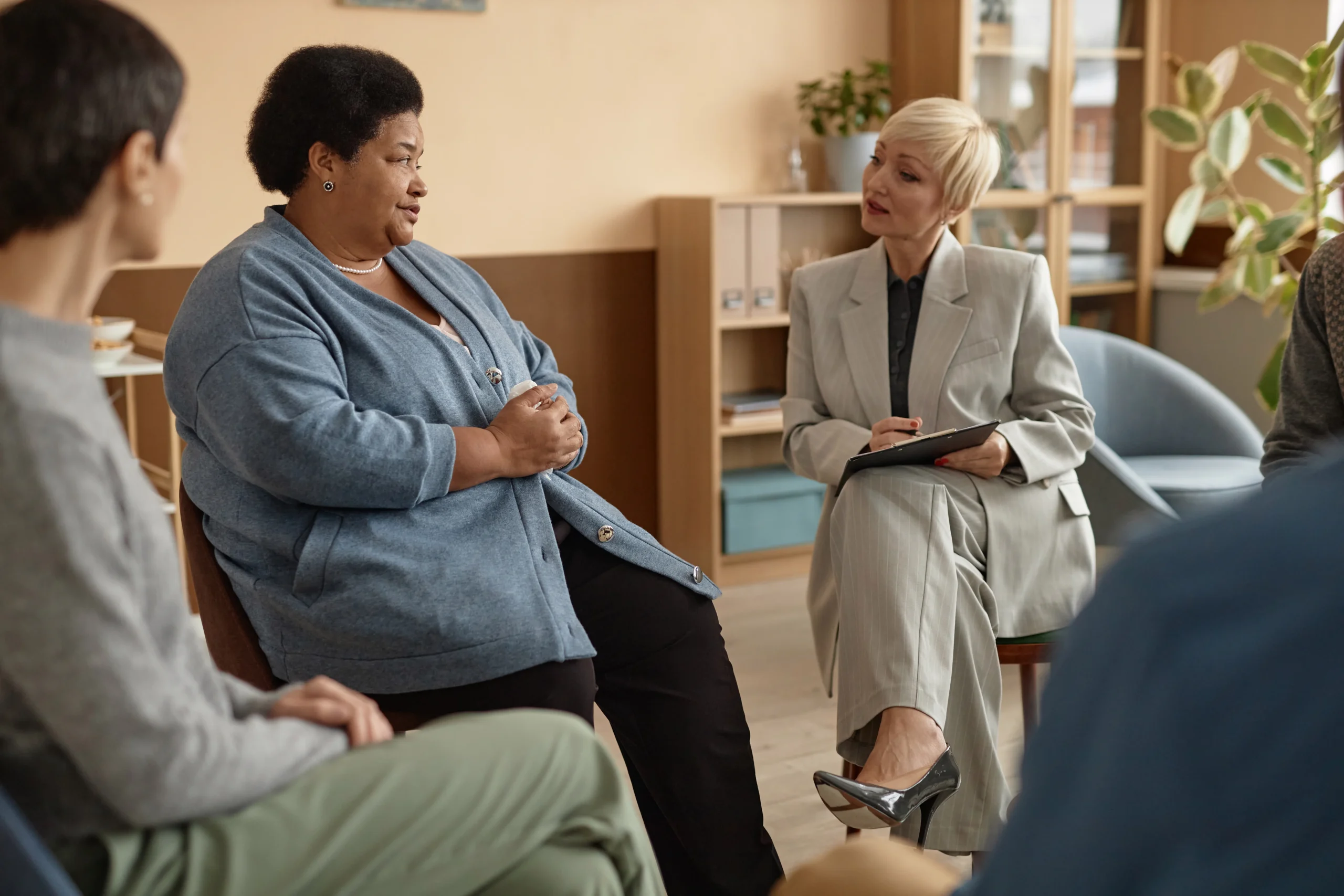
Exposure therapy works by breaking the cycle that keeps anxiety and OCD alive. When you avoid something that triggers fear or discomfort, your brain learns that avoidance equals safety—even when the thing you’re avoiding isn’t actually dangerous. Over time, that avoidance gets stronger, and your world gets smaller.
Exposure therapy flips that process. You gradually face the situations, thoughts, or objects that trigger anxiety, but you do it in a controlled way with a therapist guiding you. The key is staying in the situation long enough for your anxiety to naturally decrease, without using compulsions or safety behaviors to escape. Your brain starts to learn that the feared outcome either doesn’t happen or that you can handle the discomfort without falling apart. For OCD specifically, this is called exposure and response prevention (ERP). You expose yourself to the obsessive thought or trigger, then resist the compulsion. It’s uncomfortable at first, but with repetition, the anxiety response weakens.
Research shows that about two-thirds of people who complete exposure therapy experience significant improvement in their symptoms. It’s not about eliminating anxiety completely—it’s about teaching your brain to respond differently so anxiety doesn’t control your decisions anymore.
Prolonged exposure for PTSD is a specific type of exposure therapy designed to help you process traumatic memories that are still causing distress. It’s recommended as a first-line treatment by major organizations like the American Psychological Association and the VA because it directly addresses the avoidance and re-experiencing symptoms that define PTSD.
The treatment has two main components. First is imaginal exposure, where you revisit the traumatic memory in detail during therapy sessions—describing what happened, what you saw, heard, and felt—while your therapist helps you process it in a safe environment. You’ll usually record these sessions and listen to them between appointments, which helps reduce the emotional intensity of the memory over time. The second component is in vivo exposure, where you gradually approach safe situations or places you’ve been avoiding because they remind you of the trauma. For example, if you developed PTSD after a car accident, you might start by sitting in a parked car, then progress to short drives in low-traffic areas.
Prolonged exposure typically takes 8-15 weekly sessions, each lasting 60-90 minutes. It’s intense, and it requires you to confront painful memories, but it’s also one of the most effective treatments available. Studies show it reduces PTSD symptoms in about 70% of participants, and the benefits tend to last long after treatment ends.
Virtual reality exposure therapy (VRET) has become a powerful tool in treating anxiety disorders, and research shows it’s just as effective as traditional in vivo exposure for many conditions—sometimes even more acceptable to patients who find real-world exposure too overwhelming to start with.
VRET works by immersing you in a controlled, realistic virtual environment that simulates the situations you fear. If you have a fear of flying, you can experience takeoff and landing without stepping on a plane. If you have social anxiety, you can practice public speaking in front of a virtual audience. For PTSD, virtual environments can recreate trauma-related settings in a way that’s safe and adjustable based on your tolerance. The advantage is control. Your therapist can adjust the intensity in real time—making a virtual crowd larger or smaller, changing the lighting, adding or removing sounds—so you’re never thrown into a situation you’re not ready for.
Studies comparing VRET to traditional exposure therapy have found similar effectiveness rates, with some showing that patients are more willing to try VRET because it feels less intimidating than facing the real thing right away. It’s especially useful when real-life exposure is impractical, expensive, or impossible to arrange. That said, VRET works best when it’s part of a comprehensive treatment plan guided by a trained therapist—not as a standalone tool you use on your own.
You might notice changes within the first few sessions, but meaningful, lasting improvement typically builds over the course of 8-15 weeks of consistent treatment. The timeline depends on the severity of your symptoms, how long you’ve been dealing with them, and how actively you engage in the exposure exercises both during and between sessions.
Exposure therapy isn’t a quick fix, and it’s not comfortable at first. In the beginning, you’ll likely feel an increase in anxiety as you start confronting the things you’ve been avoiding. That’s normal and expected—it means the treatment is working. Your brain is being challenged to respond differently, and that takes time. But as you repeat the exposures, your anxiety response starts to weaken. What felt unbearable in session three might feel manageable by session six.
For some conditions, like specific phobias, progress can happen faster—sometimes in just a few sessions if the fear is straightforward and you’re able to commit fully to the exposures. For more complex presentations, like OCD or PTSD with multiple triggers and comorbid conditions, treatment may take longer. We also offer intensive four-day programs for people who need faster results or who haven’t responded well to weekly therapy. Research on intensive exposure therapy shows it can produce significant symptom reduction in a shorter timeframe, which can be life-changing for people who’ve been stuck for years.
If you’ve been through therapy that didn’t address your anxiety or OCD, it’s not because you’re untreatable—it’s likely because the approach wasn’t the right fit for what you’re dealing with. Traditional talk therapy, where you explore the reasons behind your anxiety or try to reframe your thoughts, doesn’t work for everyone with OCD, PTSD, or phobias. In fact, research shows that insight-oriented therapy has little impact on OCD symptoms compared to exposure-based treatment.
Exposure therapy is different because it doesn’t focus on why you have the fear or obsession. It focuses on changing how you respond to it. If previous therapy involved a lot of talking about your past or analyzing your thought patterns without actually confronting the situations you avoid, you may not have received the kind of treatment that targets the core problem. Exposure and response prevention (ERP) for OCD and prolonged exposure for PTSD are evidence-based approaches that have been tested in hundreds of studies and shown to work when other methods don’t.
That said, exposure therapy does require active participation. You’ll be asked to do things that feel uncomfortable, and you’ll need to practice exposures outside of sessions. If you’re not ready to commit to that level of engagement, it may not be the right time. But if you’re tired of avoidance running your life and you’re willing to lean into the discomfort with the right support, exposure therapy can be the turning point you’ve been looking for.
You don’t need to travel. We serve Mission, TX and the surrounding Rio Grande Valley through both virtual telehealth sessions and in-person appointments, so you can access specialized exposure therapy without the burden of long drives or time off work.
For many residents of the RGV, finding a therapist who specializes in exposure-based treatment has meant either settling for general counseling that doesn’t address avoidance patterns or making the trip to larger cities for care. Telehealth eliminates that barrier. You can work with nationally recognized clinicians who’ve trained other therapists, contributed to treatment guidelines, and published research on OCD and anxiety—all from your home in Mission. The treatment itself is just as effective when delivered virtually, and for some people, it’s actually easier because you can practice exposures in your own environment.
If you prefer in-person sessions, those are available as well. We understand that flexibility matters, especially in a region where access to specialized mental health care has historically been limited. Whether you’re dealing with OCD, PTSD, social anxiety, or a specific phobia, you’ll work with clinicians who respect your cultural background, understand the unique challenges of the Mission community, and won’t judge the thoughts or fears you bring to therapy. You’ll also have access to innovative treatment options like virtual reality exposure therapy and intensive four-day programs if traditional weekly sessions aren’t enough.
Other Services we provide in Mission