


You don’t have to live trapped by fear anymore. Exposure therapy isn’t about throwing you into the deep end—it’s about carefully, systematically helping you face what scares you most in a safe, controlled environment.
The results speak for themselves. Over 90% of people with specific phobias who complete exposure therapy see significant improvement. For PTSD, social anxiety, and OCD, the numbers are just as compelling.
What does this mean for your daily life? You’ll sleep better knowing you can handle whatever comes your way. You’ll stop avoiding places, people, or situations that matter to you. Most importantly, you’ll rediscover the confidence that anxiety has been stealing from you.
The Anxiety and OCD Institute brings together nationally known researchers, published clinicians, and advocates—many with lived experience of the conditions we treat. This isn’t just clinical expertise; it’s understanding that comes from walking the same path.
Located in Pasadena, TX, we understand the unique pressures facing this community. From the demands of the petrochemical industry to the fast-paced Houston metro lifestyle, local stressors require specialized understanding. Our team has over 120,000 patient treatment hours of experience and continues to shape international treatment guidelines.
What sets us apart is transparency. No hidden fees, no vague treatment timelines, no one-size-fits-all approaches. Every client receives personalized care that honors their right to clarity and participation at every step.

Exposure therapy starts with understanding exactly what you’re facing. During your initial assessment, you’ll work with your therapist to identify specific triggers, understand your avoidance patterns, and create a personalized treatment plan.
The exposure process is gradual and completely under your control. You might start by simply talking about your fear, then looking at pictures, then engaging with the feared situation in a controlled way. Virtual reality technology allows you to practice in completely safe environments before facing real-world situations.
Each session builds on the last. Your therapist monitors your progress closely, adjusting the pace based on how you respond. Most people start seeing meaningful changes within the first few sessions, with significant improvement typically occurring within 8-12 weeks of consistent treatment.

Ready to get started?
Your treatment includes both virtual and in-person options, allowing you to choose what works best for your schedule and comfort level. Virtual reality exposure therapy offers cutting-edge treatment for phobias, social anxiety, and PTSD using immersive technology that creates realistic but safe practice environments.
In Pasadena, TX, where industrial work environments and urban stressors create unique anxiety triggers, specialized approaches matter. We address everything from work-related anxiety to social situations, driving phobias, and trauma responses common in high-stress environments.
Family involvement is encouraged because recovery happens faster with support. Parents, spouses, and family members receive education and coaching to help reinforce your progress at home. Our intensive four-day treatment option provides accelerated care for those who need faster results or have scheduling constraints.
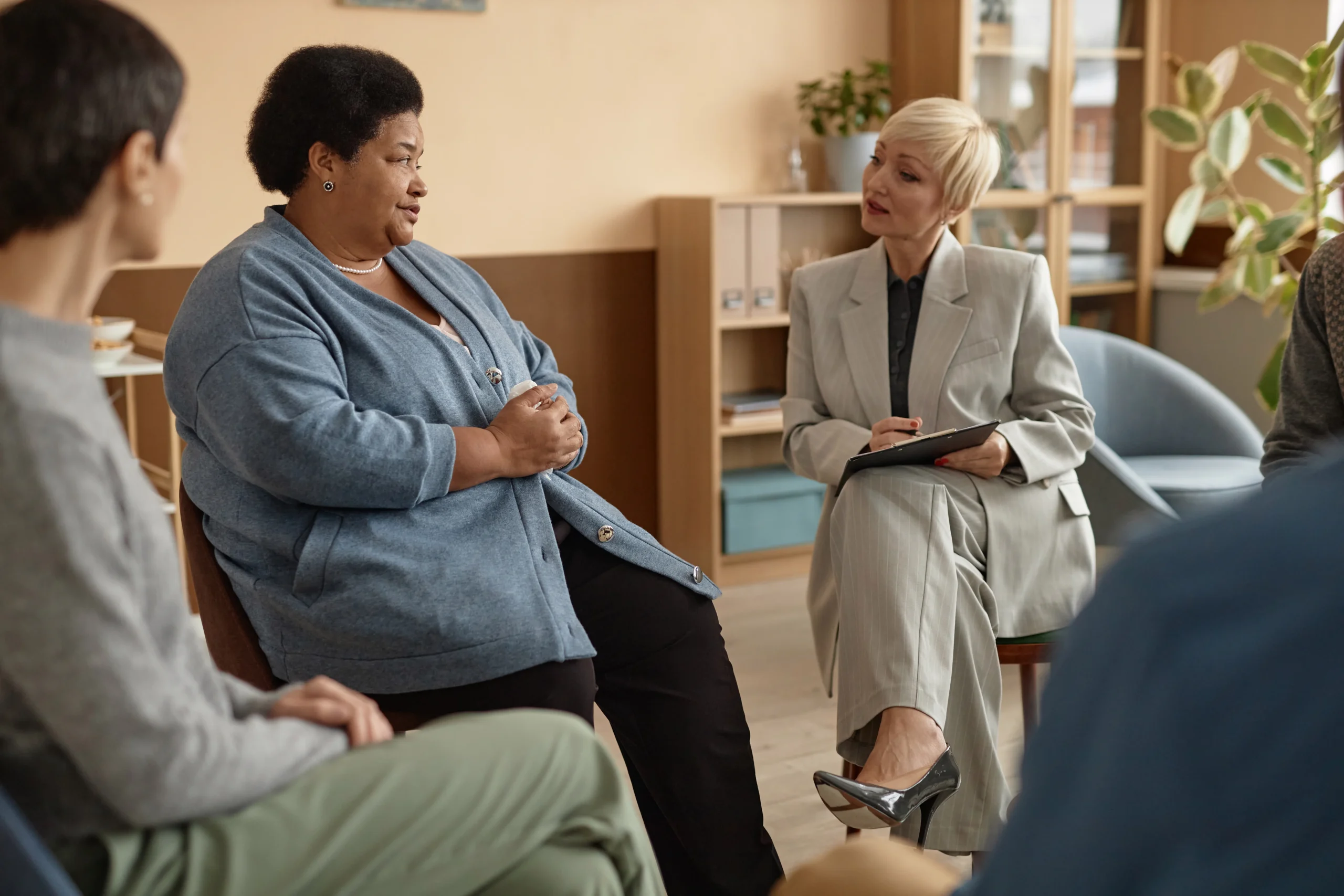
Research consistently shows exposure therapy as one of the most effective treatments available for anxiety-related conditions. Studies demonstrate that over 90% of people with specific phobias who complete exposure therapy experience significant improvement, with many achieving complete remission.
For PTSD, social anxiety, and OCD, exposure therapy shows large effect sizes compared to other treatments. The key is commitment to the process—those who stick with treatment see the best outcomes. Most people begin noticing improvements within the first few sessions, with substantial progress typically occurring within 8-12 weeks.
What makes these results particularly meaningful is their durability. Unlike medication that stops working when you stop taking it, the skills you learn in exposure therapy continue protecting you long after treatment ends.
Your first session focuses entirely on understanding your specific situation and building a treatment plan that makes sense for you. You won’t be asked to face your fears on day one—that’s not how effective exposure therapy works.
Instead, you’ll spend time talking through your anxiety history, identifying specific triggers, and understanding how avoidance has been affecting your life. Your therapist will explain exactly how exposure works, address any concerns you have about the process, and work with you to establish treatment goals that matter to you.
You’ll leave that first session with a clear roadmap of what to expect, homework assignments that start building your confidence, and most importantly, hope that change is possible. The therapeutic relationship is the foundation of successful exposure therapy, so this initial session is all about making sure you feel heard, understood, and ready to move forward.
Virtual reality exposure therapy has proven remarkably effective because your brain responds to VR environments as if they were real. When you’re wearing a VR headset, your nervous system activates the same fear responses you’d experience in actual situations—which means you get real practice managing those responses.
The advantage of VR is complete control over the experience. If you have a fear of flying, you can practice takeoffs and landings repeatedly until they no longer trigger anxiety. For social anxiety, you can practice presentations or conversations in realistic settings without any real social consequences.
Research shows that 80% of people undergoing VR-assisted exposure therapy experience significant symptom reduction. The skills you develop in virtual environments transfer directly to real-world situations, often with even better results because you’ve had extensive practice in a completely safe space.
The difference between exposure therapy and “just facing your fears” is like the difference between learning to swim with a qualified instructor versus jumping into the deep end alone. Both involve water, but one is systematic, safe, and effective while the other can be traumatic and counterproductive.
Exposure therapy follows specific protocols based on decades of research. Your therapist helps you approach fears in a gradual, systematic way that builds confidence rather than overwhelming you. They monitor your anxiety levels, teach you coping skills, and adjust the pace based on your responses.
Without professional guidance, people often expose themselves to too much too quickly, which can actually strengthen fears rather than reduce them. Or they avoid the most important aspects of their fears, which prevents real progress. Professional exposure therapy ensures you’re practicing the right things in the right sequence for lasting change.
Exposure therapy shows exceptional effectiveness for specific phobias like fear of flying, heights, animals, medical procedures, or driving. It’s also highly effective for social anxiety, helping people overcome fears of public speaking, social situations, or performance anxiety.
For PTSD, prolonged exposure therapy helps people process traumatic memories and reduce avoidance behaviors that keep them stuck. OCD responds well to exposure and response prevention, which helps break the cycle of obsessions and compulsions.
The treatment works particularly well when fears involve avoidance behaviors—situations where you’ve been limiting your life to avoid anxiety-provoking situations. Whether it’s avoiding certain places, activities, or social situations, exposure therapy systematically helps you reclaim those parts of your life while building genuine confidence in your ability to handle whatever comes up.
Most people begin noticing changes within the first 2-3 sessions of exposure therapy, though the timeline varies based on the complexity of your situation and your commitment to the process. For specific phobias, significant improvement often occurs within 4-8 sessions.
More complex conditions like PTSD or OCD typically require 12-16 sessions for substantial progress, though many people see meaningful improvements much earlier. The key factor isn’t just the number of sessions—it’s your willingness to practice between sessions and gradually expand your comfort zone.
What’s encouraging about exposure therapy is that progress tends to accelerate as you build confidence. The first few exposures might feel challenging, but each success makes the next step easier. By the end of treatment, many people are surprised by how much their relationship with fear has changed and how much more freedom they have in their daily lives.
Other Services we provide in Pasadena