


You know the cycle. Avoiding situations that trigger your anxiety or OCD gives temporary relief, but the fear grows stronger. The world gets smaller. You miss out on work opportunities, social connections, and experiences that matter to you.
Exposure therapy changes this pattern. Instead of avoiding what scares you, you learn to face it gradually and safely. Research shows this approach produces lasting results where other treatments fall short. You don’t just manage symptoms—you actually reduce the power anxiety and fear have over your daily decisions.
When you complete exposure therapy, you’re not the same person who walked in. You have tools that work. You have confidence in situations that used to paralyze you. Most importantly, you have your life back.
We bring nationally recognized expertise to Tyler, Texas. Our team includes researchers who’ve shaped international treatment guidelines and written foundational books in the field. Many of our clinicians have lived experience with the conditions they treat, which means we truly understand what you’re going through.
This isn’t your typical therapy practice. Our focus is entirely on evidence-based care, particularly exposure-based therapies that research proves most effective. We offer both virtual and in-person options, making specialized care accessible regardless of your location or schedule.
Tyler and the broader East Texas region face significant mental health challenges, with some of the highest rates of untreated anxiety and related conditions in the state. That’s exactly why having access to this level of specialized expertise matters so much for local residents.

First, you’ll work with your therapist to understand exactly how avoidance has been maintaining your anxiety or OCD. This isn’t about diving into your childhood—it’s about mapping out the specific patterns keeping you stuck right now.
Next comes the gradual exposure work. You’ll start with situations that cause mild anxiety and work your way up. The key is you’re always in control. Your therapist guides the process, but you decide the pace. Many clients are surprised by how manageable this feels when done correctly.
Throughout treatment, you’re learning that the catastrophic outcomes you’ve been avoiding aren’t actually happening. Your brain starts to understand that these situations are safe. This learning sticks because you’re experiencing it firsthand, not just talking about it.
The timeline varies, but most people see significant improvement within 12-20 sessions. Some intensive options can produce results even faster.

Ready to get started?
Beyond traditional exposure therapy, you have access to cutting-edge approaches like virtual reality exposure therapy. This technology allows you to practice facing fears in completely controlled environments. For someone with social anxiety, you can practice public speaking to a virtual audience. For PTSD, you can gradually process traumatic memories with enhanced safety and control.
We also offer intensive four-day treatment options for those who need faster results or can’t commit to weekly sessions over months. These intensives often produce the same outcomes as traditional therapy but in a compressed timeframe.
Tyler residents benefit from both secure telehealth sessions and in-person appointments. Given that East Texas has historically had limited access to specialized anxiety and OCD treatment, this flexibility ensures you can get the care you need regardless of transportation, work schedules, or other barriers that might have prevented treatment in the past.
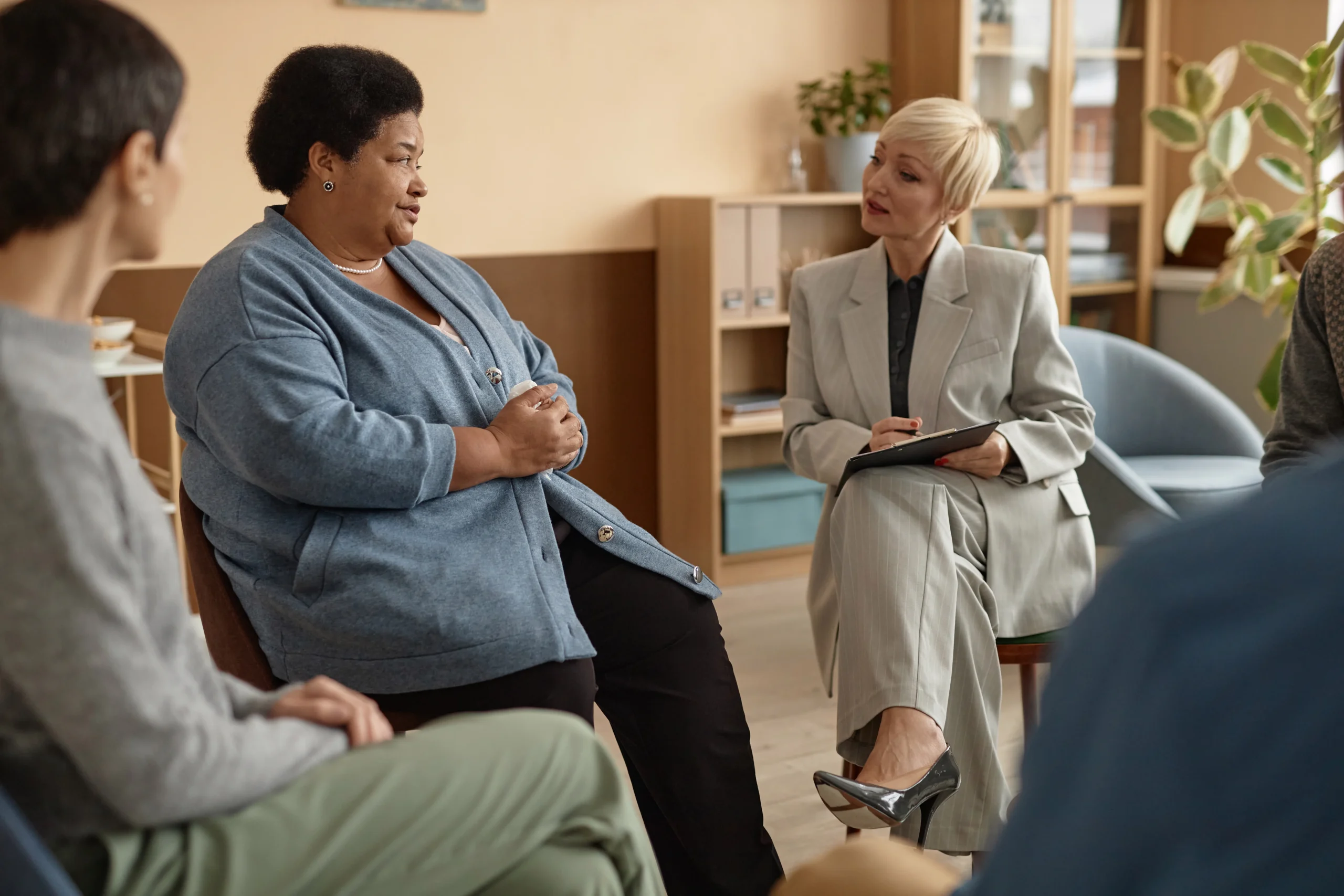
Regular talk therapy often focuses on understanding why you have anxiety or exploring past experiences. Exposure therapy is action-based. You’re actually practicing facing the situations that trigger your anxiety or OCD, not just talking about them.
The difference is like learning to drive by reading about it versus actually getting behind the wheel with an instructor. Talk therapy gives you insights, but exposure therapy gives you real-world experience that changes how your brain responds to triggers.
Research consistently shows exposure therapy produces faster, more lasting results for anxiety disorders, OCD, and PTSD than traditional talk therapy approaches. You’re not just understanding your problems better—you’re actively solving them.
Studies show virtual reality exposure therapy produces comparable results to traditional in-person exposure, with some unique advantages. The virtual environment gives your therapist complete control over the situation, allowing for precise gradual progression that might be difficult to achieve in real-world settings.
For social anxiety, you can practice presentations or conversations without coordinating with other people. For specific phobias, you can encounter spiders or heights in a completely safe environment. The technology is sophisticated enough that your brain responds to virtual situations similarly to real ones.
Many clients actually prefer starting with virtual reality because it feels safer initially, then transitioning to real-world practice feels more manageable. It’s particularly helpful for situations that are hard to recreate consistently, like flying or public speaking.
Most people who say therapy “didn’t work” were in treatments that weren’t specifically designed for anxiety or OCD. General counseling approaches often make these conditions worse by encouraging avoidance or providing reassurance that temporarily reduces anxiety but strengthens it long-term.
Exposure therapy is fundamentally different. It’s specifically designed to target the avoidance patterns that maintain anxiety and OCD. If you’ve never done actual exposure work—gradually facing feared situations with proper guidance—you haven’t tried the treatment with the strongest research support.
We specialize exclusively in these conditions and use approaches that research proves most effective. Many clients who felt hopeless after previous treatment failures find significant improvement with properly implemented exposure therapy.
Most people notice meaningful improvement within 8-12 sessions, with significant progress typically occurring by session 15-20. This is much faster than traditional therapy approaches, which often continue for months or years with limited concrete progress.
Our intensive four-day option can produce similar results in an even shorter timeframe for those who can commit to that format. Some clients see dramatic improvement in just those four days, though follow-up sessions help maintain and build on those gains.
Your specific timeline depends on factors like how long you’ve been avoiding, the severity of symptoms, and how consistently you practice between sessions. The key is that you’ll see measurable progress relatively quickly, not gradual changes that take months to notice.
Yes, we accept most major insurance plans and work to make treatment accessible regardless of your insurance situation. We understand that cost can be a barrier to getting specialized care, especially in East Texas where these services haven’t been readily available.
You’ll get full transparency about costs upfront, with no surprise bills or unclear fee structures. Our administrative team helps navigate insurance benefits and can explain exactly what your out-of-pocket costs will be before you start treatment.
For those without insurance or with limited mental health benefits, payment plans and sliding scale options may be available. The goal is ensuring that financial concerns don’t prevent you from accessing treatment that could significantly improve your quality of life.
Family involvement is actually encouraged and often essential for the best outcomes. Anxiety and OCD don’t just affect you—they impact your relationships and daily household functioning. Family members often unknowingly accommodate symptoms in ways that make the conditions stronger.
Your therapist can work with family members to understand how to be supportive without enabling avoidance behaviors. This might include learning when to offer reassurance versus when to encourage facing fears, or understanding how to respond during exposure exercises.
Many families find that everyone benefits when one member gets proper treatment for anxiety or OCD. The skills and understanding gained often improve communication and reduce conflict that may have developed around these conditions over time.
Other Services we provide in Tyler