
If your child is stuck in a cycle of worries and rituals, you're not imagining it. Pediatric OCD is real, treatable, and you have more power to help than you think.

OCD in kids doesn’t always look like what you see on TV. It’s not about being neat or organized. It’s about a child being trapped in a cycle they can’t control—intrusive thoughts that won’t go away, and rituals they feel compelled to perform just to get temporary relief.
Young children might not even understand why they’re doing what they’re doing. They just know something feels “not right” until they complete the ritual. Older kids and teens might realize their fears don’t make logical sense, but that doesn’t make the anxiety any less real or the compulsions any easier to resist.
The tricky part? OCD often hides in plain sight. Kids get good at concealing their rituals, or they only show symptoms at home where they feel safe. Parents often describe feeling like they’ve lost their child to the disorder—watching them become increasingly trapped and isolated.

Spotting OCD early makes a real difference. The sooner you intervene, the less time the disorder has to take root in your child’s life. But here’s what makes it complicated: lots of kids have quirks, routines, and worries. So when does it cross the line into OCD?
The distinction comes down to distress and disruption. Normal childhood rituals are comforting and flexible. OCD rituals are rigid, time-consuming, and cause significant anxiety if interrupted. If your child melts down when you try to leave the house because they haven’t checked the locks the “right” number of times, that’s different from a kid who just likes a consistent bedtime routine.
Common signs include excessive handwashing or fear of contamination, repeatedly checking things like doors or homework, needing objects arranged in a specific order, asking for reassurance over and over despite being answered, or taking an unusually long time with everyday tasks like getting dressed or eating. You might notice your child avoiding certain objects, places, or activities entirely.
Some kids develop elaborate bedtime rituals that take hours. Others refuse to touch certain surfaces or insist family members follow specific rules. Many children with OCD have intrusive thoughts that terrify them—fears about harm coming to loved ones, disturbing images, or worries about doing something terrible. These thoughts feel very real to them, even when they logically know better.
School often provides clues too. Teachers might notice a child erasing and rewriting assignments until the paper tears, spending excessive time in the bathroom, or struggling to focus because they’re distracted by obsessive thoughts. Falling grades, increased need for help, or social withdrawal can all signal that something more serious is happening.
The “hidden epidemic” label exists for a reason. Research shows that approximately 90 percent of children and adolescents with OCD haven’t been diagnosed. Kids hide their symptoms out of embarrassment or fear of being seen as “crazy.” They might manage to suppress compulsions at school, only to explode with anxiety the moment they get home.
If you’re seeing these patterns—behaviors that take up more than an hour a day, cause your child distress, or interfere with normal activities—trust your instincts. You’re not overreacting by seeking an evaluation.
OCD doesn’t just impact the child who has it. It reshapes family life in ways that can feel suffocating. Parents find themselves walking on eggshells, modifying routines, and making accommodations just to keep the peace or help their child feel safe.
Maybe you’ve stopped going to restaurants because your child’s contamination fears make eating out impossible. Maybe you answer the same reassurance-seeking questions dozens of times a day. Maybe siblings can’t have friends over because it triggers your child’s anxiety. Maybe you’re doing your child’s compulsions for them—checking things, arranging objects, or participating in rituals—because it’s easier than dealing with the meltdown.
This is called accommodation, and while it comes from a place of love, it actually feeds the OCD. Every time you modify your behavior to prevent your child’s anxiety, you’re unintentionally teaching their brain that the fear is valid and that they can’t handle distress without the ritual. It’s a trap that’s easy to fall into and hard to escape without guidance.
The stress takes a toll. Parents describe feeling exhausted, frustrated, guilty, and helpless. Marriages strain under the pressure. Siblings feel neglected or resentful. Family activities that used to bring joy become sources of conflict. The whole household starts revolving around one child’s OCD, and everyone suffers for it.
But here’s what many parents don’t realize until they start treatment: your involvement isn’t the problem—it’s actually part of the solution. Research consistently shows that including parents in OCD treatment improves outcomes. When parents learn how to respond differently to their child’s anxiety, when they understand how to support without accommodating, recovery happens faster and sticks better.
You’re not powerless in this. In fact, you’re one of the most important factors in your child’s recovery. The key is learning what actually helps versus what feels helpful but keeps the cycle going. That’s where specialized treatment comes in.
Want live answers?
Connect with a Anxiety & OCD expert for fast, friendly support.
If you’re researching pediatric OCD treatment, you’ve probably come across terms like ERP, CBT, and exposure therapy. Here’s what you actually need to know: there’s a gold-standard treatment for childhood OCD, and it works remarkably well.
Exposure and Response Prevention—ERP for short—is the most effective treatment for OCD in children, adolescents, and adults. It’s a specific type of cognitive behavioral therapy that directly targets how OCD operates. About 70 percent of people benefit significantly from ERP, with many experiencing dramatic symptom reduction.
The treatment works by gradually exposing your child to the things that trigger their anxiety while preventing them from doing the compulsive behaviors they normally use to cope. This sounds scary—and yes, it requires courage from both kids and parents—but it’s done systematically, collaboratively, and at a pace your child can handle.
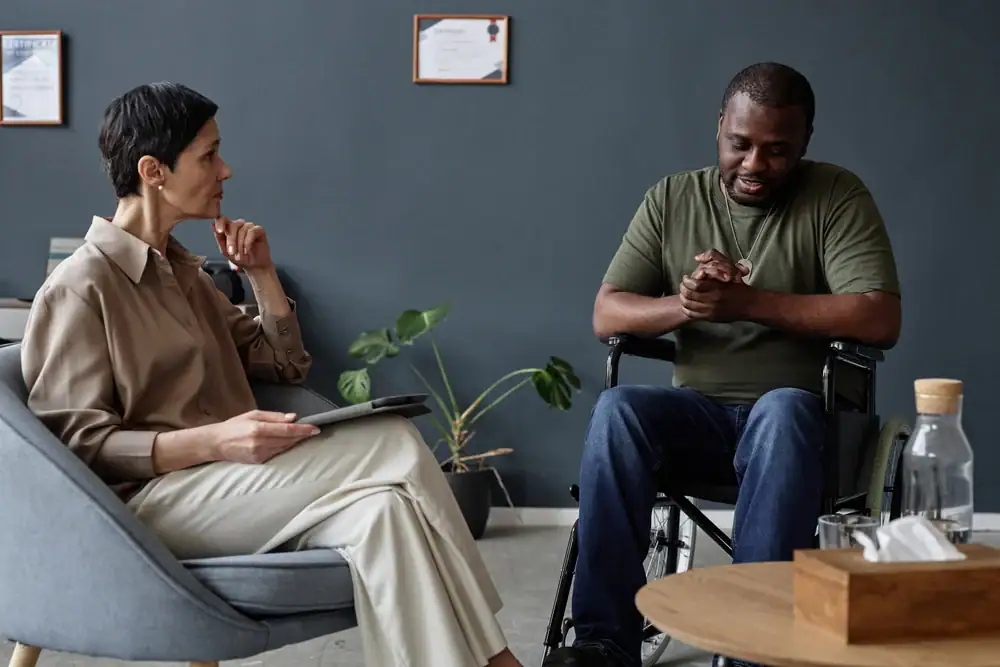
Traditional therapy often keeps parents in the waiting room. OCD treatment is different. Research has proven that involving parents as “co-therapists” significantly improves treatment effectiveness. You’re not just dropping your child off for an appointment—you’re learning specific skills and strategies that you’ll use at home between sessions.
In treatment, you’ll work with the therapist to create a “fear hierarchy” that ranks your child’s triggers from least to most distressing. Then you’ll tackle them one at a time, starting with exposures that feel manageable. Your child learns that they can handle anxiety without performing rituals, and that the feared outcome they’re worried about doesn’t actually happen.
Your role includes helping your child practice exposures at home, resisting the urge to provide reassurance, and gradually reducing the accommodations you’ve been making. This isn’t about being harsh or unsupportive—it’s about showing your child that you believe in their ability to handle discomfort, and that anxiety isn’t dangerous even when it feels terrible.
The therapist will teach you how to respond supportively without feeding the OCD. You’ll learn the difference between validating your child’s feelings and validating their obsessive thoughts. You’ll discover how to de-escalate conflicts that arise when you stop accommodating rituals. And you’ll understand why certain responses that feel natural—like providing endless reassurance—actually make things worse.
Some families benefit from SPACE treatment, a parent-based approach that’s proven to be as effective as traditional child-focused therapy. SPACE is particularly helpful when a child is resistant to treatment or unable to participate for whatever reason. In this model, parents attend sessions without the child, learning how to systematically reduce accommodation while increasing supportive responses. It works by changing the family system around the child, which in turn helps the child’s symptoms improve.
What’s remarkable about parent involvement is that it doesn’t just help your child recover—it also reduces your own stress. Parents who go through this process report feeling more confident, less helpless, and better equipped to handle challenges. The whole family system gets stronger, not just the child with OCD.
Finding specialized pediatric OCD treatment used to mean long drives, waiting lists, and scheduling nightmares. Virtual care has changed that equation entirely—and research shows it works just as well as in-person treatment.
Recent studies involving thousands of children and adolescents demonstrate that video teletherapy using ERP produces significant results. More than half of young people meet full response criteria, with median symptom reductions around 38 percent. These aren’t small improvements—these are kids getting their lives back.
Virtual treatment offers some unexpected advantages beyond convenience. Therapists can work with your child in the actual environments where OCD shows up—your home, their bedroom, your kitchen. This makes exposures more relevant and effective. Instead of practicing in an office and hoping skills transfer to real life, your child is learning to manage OCD in the places where they actually need those skills.
The flexibility matters too, especially for families juggling school, work, and other responsibilities. After-school virtual appointments mean your child doesn’t miss significant class time, you don’t have to take off work, and there’s no commute eating up your evening. Your teenager can have a session from their room at 4 PM, then head to dinner or homework without the whole day being disrupted.
For families in Houston, Dallas, San Antonio, or anywhere across Texas, this accessibility is game-changing. You’re not limited to whatever specialist happens to be within driving distance. You can access clinicians with advanced training, specialized expertise, and experience treating the specific type of OCD your child is dealing with.
Some parents worry that virtual treatment won’t feel as “real” or effective. The research doesn’t support that concern. Remote ERP has been shown to be non-inferior to in-person treatment—meaning it works just as well. The therapeutic relationship still forms. The exposures still work. The skills still transfer. And many families find that the convenience actually improves consistency, which is crucial for treatment success.
The technology itself is straightforward. You don’t need anything fancy—just a reliable internet connection and a device with a camera. Sessions happen over secure video, with additional support often available through messaging or app-based tools between appointments. It’s therapy that fits into your life, not the other way around.
If your child is struggling with OCD, you don’t have to figure this out alone. The average time between someone first developing OCD symptoms and finding effective treatment is over 17 years—but it doesn’t have to be that way for your child.
Early intervention matters. The sooner you connect with specialized treatment, the less time OCD has to become entrenched in your child’s life. And with the right approach—evidence-based therapy, parent involvement, and clinicians who truly understand pediatric OCD—recovery isn’t just possible, it’s likely.
Your child can get back to being a kid. Your family can reclaim the routines and joy that OCD has stolen. And you can move from feeling helpless to feeling empowered, equipped with real tools that make a real difference.
At the Anxiety and OCD Institute, we offer specialized pediatric and adolescent OCD treatment with both virtual and in-person options serving families throughout Texas. Our team brings together nationally recognized expertise with the kind of understanding that only comes from lived experience, creating a space where no thought is too taboo and every family member is supported through the recovery process.
Summary:

Share: