Exposure therapy offers a proven path to overcoming social anxiety and specific phobias through gradual, evidence-based techniques that help you face fears and reclaim your life.
Exposure therapy is a specific type of treatment that helps you confront feared situations, objects, or social scenarios in a controlled, gradual way. The goal isn’t to make you comfortable with fear. It’s to teach your brain that the things you’re avoiding aren’t actually as dangerous as they feel.
Here’s what makes it different from just “facing your fears.” Exposure therapy is systematic. You’re not thrown into the deep end. You start with situations that create manageable anxiety—maybe a 3 or 4 out of 10—and only move forward when you’re ready.
The process works because of something called habituation. When you stay in an anxiety-provoking situation long enough without escaping or using safety behaviors, your nervous system eventually calms down on its own. You learn through direct experience that you can handle the discomfort, and that the feared outcome probably won’t happen.
Treatment starts with creating what’s called an exposure hierarchy or fear ladder. This is your personalized roadmap. You and your therapist list out situations related to your fear, then rank them from least to most anxiety-provoking.
Let’s say you have a fear of public speaking. Your hierarchy might start with reading a paragraph out loud to yourself at home. Next step could be recording yourself giving a short talk and watching it back. Then maybe speaking to a trusted friend. Eventually, you’d work up to presenting to a small group, then a larger audience.
The key is that each step builds on the last one. You don’t move forward until your anxiety with the current step drops to a manageable level. This usually means repeating each exposure multiple times. If speaking to one friend gets easier after three practice sessions, that’s your signal to try two friends next.
This gradual approach matters because it keeps you engaged. If treatment feels too overwhelming, you’ll quit. If it’s too easy, you won’t make progress. The sweet spot is that zone where you feel challenged but not flooded. Your therapist helps you find and stay in that zone.
What makes this different from just avoiding things until you feel ready? Avoidance never makes you feel ready. Exposure does. Each successful step proves to your brain that you’re more capable than you thought. That evidence is what creates lasting change.
Exposure therapy isn’t one-size-fits-all. Depending on what you’re working on, your therapist might use several different approaches. In vivo exposure means confronting the actual feared situation in real life. This is often the most powerful form because there’s no substitute for real-world experience.
Imaginal exposure involves vividly imagining the feared scenario. This can be useful when in vivo exposure isn’t practical yet, or when the fear involves something that hasn’t happened. You might close your eyes and mentally walk through giving a presentation, including all the details and sensations that trigger your anxiety.
Virtual reality exposure therapy has become more common, especially for treating social anxiety and specific phobias. You can practice public speaking in front of a virtual audience or confront a fear of heights using VR technology. Research shows this approach works just as well as traditional in-person exposure for many conditions.
Interoceptive exposure targets the physical sensations of anxiety themselves. If you’re afraid of your racing heart or feeling dizzy, you might do exercises that deliberately create those sensations in a safe environment. This teaches your brain that the sensations aren’t dangerous, even though they’re uncomfortable.
The type of exposure you use depends on your specific fear and what’s most practical. Someone with social anxiety might start with imaginal exposure, move to virtual reality practice, then progress to real social situations. Someone with a dog phobia would eventually need in vivo exposure with actual dogs.
Your therapist will help you choose the right approach for each step of your hierarchy. The goal is always the same: give your brain new information that contradicts the fear story it’s been telling you.
Want live answers?
Connect with a Anxiety & OCD expert for fast, friendly support.
Social anxiety is more than shyness. It’s the persistent fear that you’ll be judged, embarrassed, or humiliated in social situations. You might rehearse conversations for hours, replay interactions looking for mistakes, or avoid situations entirely because the anxiety feels unbearable.
Fear of public speaking falls under the social anxiety umbrella, but it’s specific enough to need its own approach. Up to a third of people struggle with this fear, and it can seriously limit your career and personal growth.
Exposure therapy for social anxiety works the same way as for other fears—gradually, systematically, and at your pace. The difference is that social situations are harder to control than, say, looking at a spider in a container. People are unpredictable. That’s actually part of what makes exposure effective.

Treatment for social anxiety typically starts by identifying your specific fears. Are you most worried about blushing? Saying something stupid? Your mind going blank? Being rejected? The more specific you can get, the better your therapist can target the exposure work.
Your hierarchy might include situations like making small talk with a cashier, asking a stranger for directions, speaking up in a meeting, or attending a social gathering where you don’t know anyone. Each situation gets rated for how much anxiety it causes, and you start with the lower-rated ones.
One of the most powerful aspects of exposure therapy for social anxiety is dropping safety behaviors. These are the subtle things you do to feel safer—avoiding eye contact, rehearsing what you’ll say, staying on the edges of groups, checking your phone to look busy. They feel helpful, but they actually maintain the anxiety because they prevent you from learning that you’re safe without them.
During exposures, you’ll practice entering social situations without these crutches. Yes, it’s uncomfortable at first. But that discomfort is where the learning happens. You discover that even when you feel awkward or make a mistake, the consequences aren’t catastrophic. People don’t reject you. The world doesn’t end.
Your therapist might also work with you on shifting your focus. People with social anxiety tend to focus intensely on themselves—monitoring their performance, analyzing how they’re coming across. Exposure therapy helps you practice focusing outward instead, paying attention to the conversation or the other person rather than your own anxiety.
The cognitive piece matters too. You’re not just doing exposures; you’re also examining the thoughts that fuel your fear. “Everyone will think I’m an idiot” gets tested against reality. “I can’t handle feeling anxious” gets challenged by the fact that you’re handling it right now. Over time, both your thoughts and your anxiety shift.
Public speaking anxiety has its own flavor. The fear is often about being evaluated, making mistakes in front of an audience, or having your anxiety visible to others. Your hands shake. Your voice trembles. Your mind goes blank. And everyone can see it happening.
Exposure therapy for public speaking starts small. You might begin by simply writing out a speech and reading it to yourself. Next, you could record yourself speaking and watch the video back. This alone can be surprisingly challenging because you’re confronting how you actually come across versus how you imagine you come across.
From there, you might speak to one person, then a small group of friends, then a larger group. You could join a public speaking group where everyone is practicing the same skill. Eventually, you work up to the situations that matter most to you—presenting at work, giving a toast at a wedding, speaking at a conference.
The key is staying in each exposure long enough for your anxiety to decrease. If you give a two-minute speech and then immediately sit down while your heart is still racing, you’ve just reinforced the idea that speaking is dangerous and you need to escape. But if you stay engaged for five or ten minutes, you’ll notice your anxiety naturally comes down. That’s the learning moment.
Your therapist will also help you test your predictions. You might believe that if you pause or say “um,” everyone will judge you harshly. So you deliberately pause during a practice speech and see what actually happens. Usually, nothing. People barely notice. This kind of behavioral experiment is powerful because it gives you data that contradicts your fear.
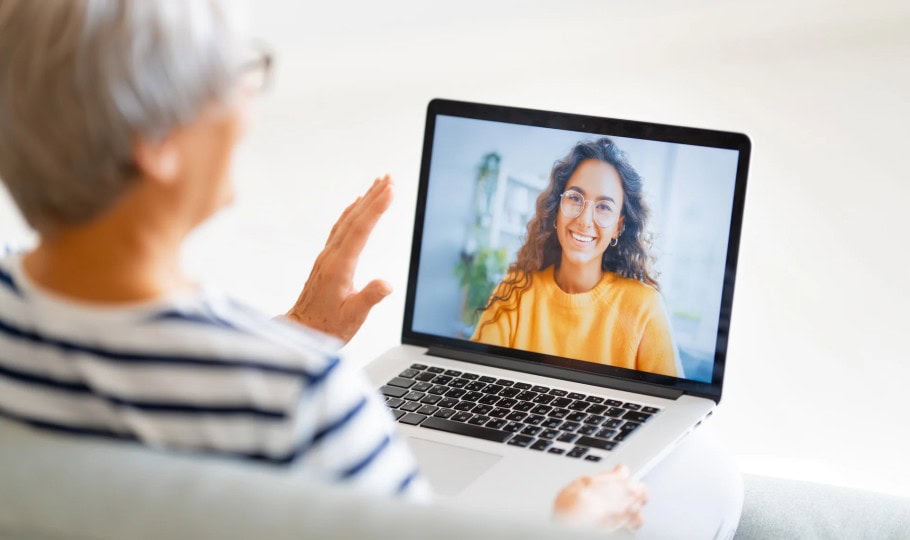
Telehealth offers a unique advantage here, especially if you’re in Houston, TX, Dallas, TX, or San Antonio, TX and prefer to start treatment from home. You can practice speaking to your therapist via video, which creates real social pressure but in a controlled environment. Studies show that virtual therapy for anxiety produces similar results to in-person sessions, with the added benefit of starting from a place that feels safer. As you get more comfortable, you can graduate to in-person exposures or real-world speaking situations.
The goal isn’t to eliminate nervousness entirely. Even experienced speakers feel some anxiety before presenting. The goal is to reduce the anxiety to a level where it doesn’t stop you, and to build confidence that you can handle the discomfort without catastrophe.
If you’re dealing with social anxiety, specific phobias, or fear of public speaking, you don’t have to keep living in a smaller and smaller world. Exposure therapy offers a proven, structured path forward. The research is clear: this approach works for the vast majority of people who commit to it.
We understand what you’re going through, not just from textbooks but from years of specialized work with these exact conditions. Treatment is personalized to your pace, your fears, and your goals. You’re never pushed beyond what you can handle, but you’re also never left stuck.
Whether you’re in Houston, TX, Dallas, TX, San Antonio, TX, or elsewhere in Texas, you have options. Telehealth allows you to start from wherever feels safest, and in-person treatment is available when you’re ready. The first step is reaching out and having a conversation about what you’re experiencing and what treatment might look like for you.
Summary:
Share: