


You’ve probably tried to think your way out of this. You’ve reasoned with yourself, tried to stay busy, maybe even avoided the situations that trigger the spiral. But anxiety and OCD don’t respond to logic alone—they respond to structured, evidence-based intervention.
Cognitive Behavioral Therapy in Round Rock, TX gives you the tools to interrupt the patterns that keep you stuck. You learn to recognize distorted thinking before it takes over. You practice responding differently to the urges and fears that have been running the show. And over time, you build confidence in your ability to handle what used to feel impossible.
This isn’t about feeling better for a few days. It’s about changing how you relate to your thoughts so they stop dictating your decisions. Research shows that 75% of people who complete exposure and response prevention—a core CBT technique for anxiety and OCD—experience significant symptom reduction. That’s not luck. That’s what happens when you work with a method that’s been tested, refined, and proven effective across thousands of cases.
We serve Round Rock, TX with a team that includes nationally recognized researchers, published clinicians, and advocates who’ve personally navigated OCD and anxiety disorders. That combination matters because it means you’re working with people who understand the science and the experience.
We don’t use experimental approaches or trendy frameworks. Our clinicians are trained in exposure-based therapies and cognitive restructuring—methods with decades of research backing them. Many hold credentials from the International OCD Foundation’s Behavior Therapy Training Institute, which is considered the gold standard for OCD treatment training.
Round Rock families and adults come to us because we’re transparent about what works, what doesn’t, and what to expect. No forced exposures. No pressure to move faster than you’re ready. Just clear guidance from people who know how to help you get unstuck.

Your first session is an assessment. We ask about your symptoms, your history, what you’ve tried before, and what’s getting in the way of the life you want. This isn’t a checklist—it’s a conversation that helps us understand your specific patterns and triggers.
From there, we build a treatment plan that’s structured but flexible. If you’re dealing with OCD, that usually means exposure and response prevention: gradually facing the situations you’ve been avoiding while resisting the compulsions that follow. If anxiety is the primary issue, we focus on cognitive restructuring and behavioral activation—helping you identify the thoughts that fuel the anxiety and practice new ways of responding.
Sessions are typically weekly and last 12 to 20 weeks, depending on the complexity of what you’re working through. Some people see noticeable improvement within the first month. Others need more time to build momentum. Either way, you’re learning skills you can use long after treatment ends.
We also offer intensive four-day treatment options for people who need faster progress or who’ve struggled with traditional weekly therapy. It’s the same evidence-based approach, just delivered in a concentrated format that allows for deeper work in a shorter timeframe.

Ready to get started?
CBT for anxiety in Round Rock, TX includes cognitive restructuring, which teaches you to identify and challenge the distorted thoughts that drive your anxiety. You’ll learn to spot patterns like catastrophizing, black-and-white thinking, and overgeneralization—and practice replacing them with more accurate, balanced responses.
Behavioral activation is another core piece, especially if anxiety has led to avoidance or withdrawal. You’ll gradually re-engage with activities and situations that matter to you, building evidence that you can handle discomfort without being controlled by it.
For OCD, exposure and response prevention is the centerpiece. You’ll work with your therapist to create a hierarchy of feared situations, then systematically face them while resisting the compulsions that usually follow. It’s uncomfortable at first, but it’s also the most effective way to break the cycle. Studies show that more than 85% of patients who complete ERP experience significant symptom reduction.
In Round Rock, where 43.4% of adults reported symptoms of anxiety or depression in recent surveys, access to specialized CBT therapy makes a real difference. You’re not just managing symptoms—you’re learning how to function without the constant interference of intrusive thoughts and compulsive behaviors.
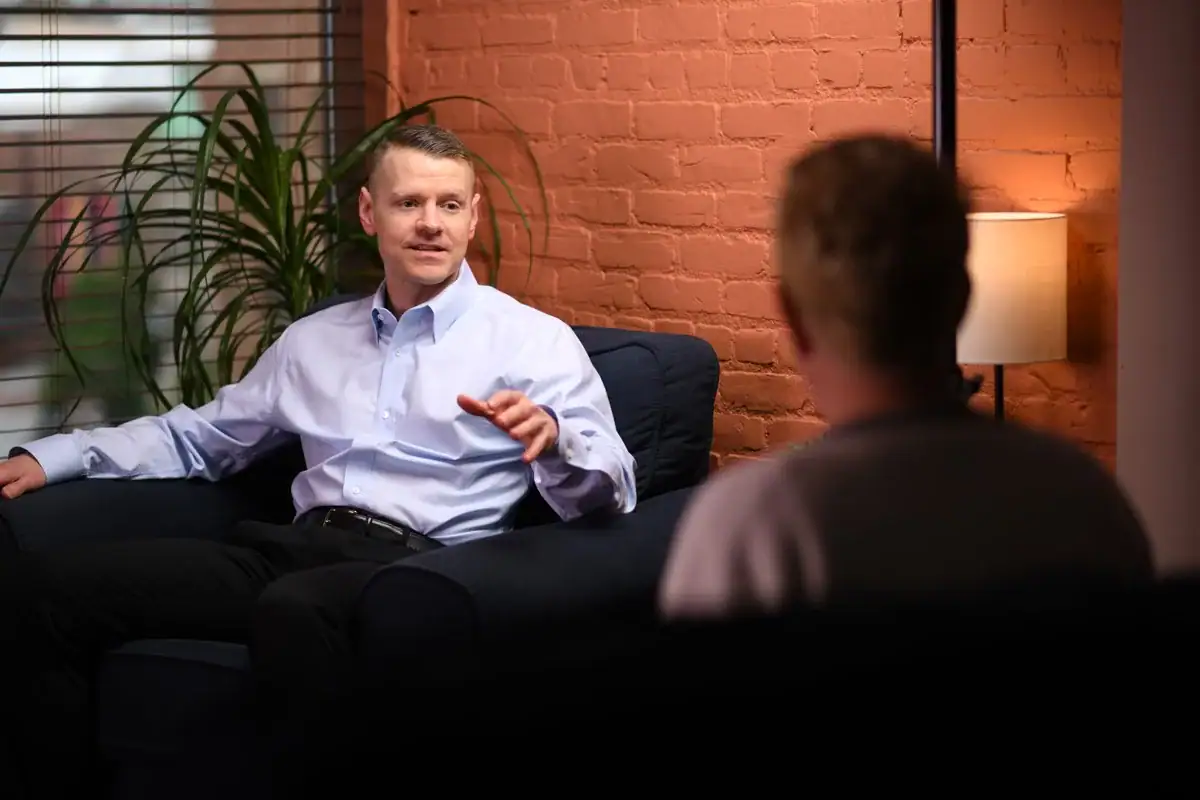
Most people complete CBT therapy in 12 to 20 weekly sessions, though you may notice changes earlier. Some clients report feeling more in control within the first four to six weeks, especially once they start practicing the techniques between sessions.
For OCD specifically, research shows that exposure and response prevention can produce significant results within 12 to 16 sessions if you’re consistent with the exposures. More complex cases—like those involving multiple themes or severe avoidance—may take longer, but the timeline is always discussed upfront so you know what to expect.
Intensive four-day treatment is another option if you need faster progress. It’s particularly effective for people who’ve been in weekly therapy without much movement, or who need concentrated work to break through a plateau.
Traditional talk therapy often focuses on understanding why you have certain thoughts or feelings. CBT for OCD in Round Rock, TX focuses on changing your response to those thoughts, not analyzing them.
The key difference is exposure and response prevention. Instead of talking about your fears, you practice facing them in a controlled way while resisting the compulsions that usually follow. That’s what actually rewires the anxiety response. It’s not comfortable, but it works—and it works faster than insight-based approaches.
You’re also learning specific skills: how to tolerate uncertainty, how to sit with discomfort without reacting, how to recognize when OCD is talking versus when you are. These aren’t abstract concepts. They’re tools you use in real situations, and they give you a level of control that talk therapy alone doesn’t provide.
No. Exposure and response prevention is collaborative, not coercive. You and your therapist build the hierarchy together, and you decide the pace.
That said, effective CBT therapy does require you to lean into discomfort. If you only do exposures that feel easy, you won’t make progress. The goal is to work at the edge of what’s manageable—challenging enough to create change, but not so overwhelming that you shut down.
Your therapist will help you gauge what’s appropriate at each stage. Some people move quickly through their hierarchy. Others need more time to build confidence before tackling harder exposures. Both approaches work as long as you’re moving forward, not staying in your comfort zone indefinitely.
Most health plans in Texas cover CBT for anxiety and OCD, though coverage details vary by provider. We recommend calling your insurance company to confirm your behavioral health benefits, including session limits, copays, and whether prior authorization is required.
We’re transparent about fees and will walk you through what to expect before you start treatment. If your plan doesn’t cover our services or if you’re out-of-network, we can provide a superbill for you to submit for potential reimbursement.
Cost is a real concern, especially in Texas where nearly half a million adults report that affordability keeps them from getting mental health care. We don’t want that to be the barrier that stops you from getting help, so we’ll work with you to figure out what’s feasible.
Yes. Even if you’ve been dealing with this for a decade or longer, CBT techniques for anxiety and OCD can still produce significant improvement. The research is clear: duration of illness doesn’t predict treatment failure.
What matters more is whether you’ve had access to the right kind of treatment. Many people spend years in therapy that wasn’t specialized enough to address OCD or anxiety effectively. They were told to relax, to challenge their thoughts, or to avoid triggers—none of which are evidence-based approaches for these conditions.
Cognitive Behavioral Therapy in Round Rock, TX gives you a structured, proven method. You’re not starting from scratch—you’re finally working with tools that match the problem. And while it may take longer to undo patterns that have been reinforced for years, the outcome is the same: you can learn to manage this effectively and reclaim the parts of your life that anxiety or OCD has taken.
The treatment is the same. Whether you’re meeting with your therapist in person or through a secure video platform, you’re getting the same evidence-based approach, the same techniques, and the same level of expertise.
Telehealth works well for many people, especially if you’re balancing work, childcare, or other commitments that make it hard to get to an office. It also eliminates the anxiety some people feel about being seen entering a mental health clinic. You can do your session from home, and the work is just as effective.
In-person sessions can be helpful if your treatment involves exposures that are easier to do in real time with your therapist present—like touching feared objects or practicing social interactions. Some people also just prefer the structure of a scheduled appointment outside their home. Both options are available, and you can switch between them as your needs change.
Other Services we provide in Round Rock