Panic attacks don't have to control your life. Virtual exposure therapy teaches your brain through your screen that uncomfortable sensations aren't dangerous, breaking the fear cycle.
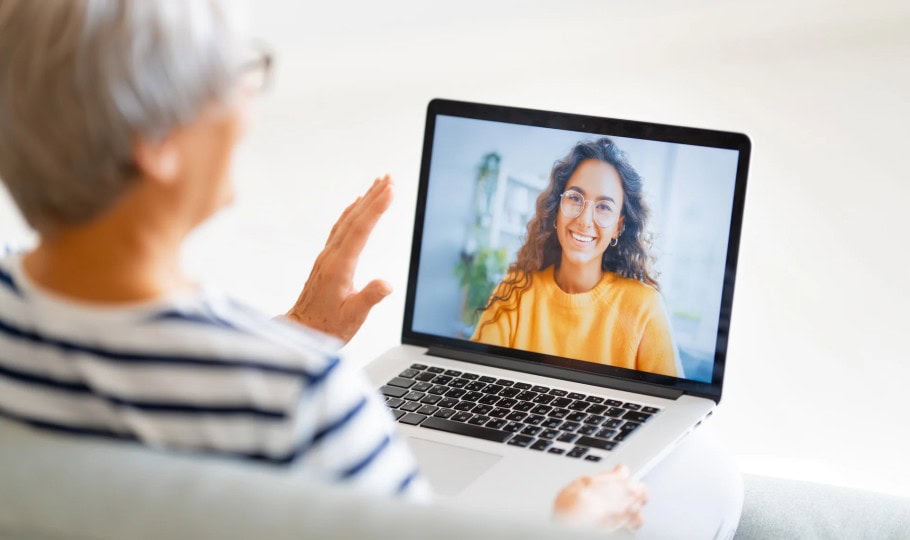
Virtual exposure therapy is a form of CBT delivered through secure video platforms that helps you confront what you fear in a controlled way. For panic disorder, that means facing physical sensations like a racing heart or dizziness while your therapist coaches you through the screen.
The goal isn’t to make you panic; it’s to teach your brain that these sensations aren’t dangerous. Over time, you stop reacting with terror when your heart rate climbs.
Research backs this up consistently. Specialized online exposure therapy is one of the most effective treatments for panic disorder, providing a professional, evidence-based alternative to traditional office visits.

Interoceptive exposure is the specific type of exposure therapy designed for panic disorder. In a virtual setup, the idea is simple: you intentionally create the physical sensations you’ve been avoiding while connected to your therapist.
Your brain has connected certain body feelings with danger. Heart races, brain screams “emergency.” Virtual interoceptive exposure breaks that pattern. With a specialist guiding you via video, you’ll do exercises that trigger these sensations in your own living room. Spin in your office chair to create dizziness. Run in place to make your heart pound. The point is proving—through direct experience—that these feelings aren’t disasters.
Yes, it’s uncomfortable. But as you stay with the sensation during your virtual session, nothing bad occurs. Heart rate climbs, no heart attack. Slowly, your brain learns a new pattern.
Repetition matters. You’ll practice these exercises multiple times, in your virtual session and as homework. The more you do it, the less your brain freaks out. Eventually, when these sensations pop up naturally, they won’t trigger panic anymore.
Virtual exposure and response prevention works similarly for OCD—you face the fear via video and resist the compulsion to escape. For panic, you’re learning to let sensations be, right where you live.
If you’ve heard about exposure therapy, you might picture facing a feared object. That’s in vivo exposure. Panic disorder is different; the fear is about what’s happening inside your body.
That’s why virtual interoceptive exposure is so effective. It targets the core fear: bodily sensations. Once you’re less afraid of those sensations, situational fears fade. When panic sensations stop feeling dangerous on your screen, returning to avoided places in the real world gets much easier.
Most virtual treatment plans use both. Start with interoceptive work via video to reduce fear of sensations, then move to in vivo exposure where your therapist might even join you via a mobile device as you enter a feared situation.
Virtual exposure therapy is structured and gradual. You and your therapist build a hierarchy through your digital portal, starting with mild anxiety and working up. You control the pace through every video call.
This same approach applies to generalized anxiety or social anxiety—the key is facing the fear systematically through professional online support rather than avoiding it.
Want live answers?
Connect with a Anxiety & OCD expert for fast, friendly support.
If you’ve tried talk therapy before without results, you’re not alone. Traditional talk therapy often misses the mark with panic because it doesn’t address the physical mechanism keeping panic alive.
Virtual exposure therapy works because it targets the source. Panic survives on avoidance. Every time you skip an activity, you reinforce the fear. Our virtual setup flips the script.
The research is clear. Online CBT with exposure components consistently beats other approaches. Studies show the majority of people who complete specialized exposure therapy are panic-free afterward. That’s real change delivered directly to your home.

Logging into your first session can feel intimidating. But the reality is collaborative and structured. You’re never pushed beyond what you can handle through the webcam.
Your therapist starts by explaining how virtual exposure works via video. You’ll discuss your specific panic triggers through a secure connection. This helps your therapist understand your unique experience and tailor the digital treatment plan to you.
Next, you build an exposure hierarchy together in your virtual room. You start at the bottom with exercises causing mild anxiety, like tensing muscles or holding your breath.
During the virtual exposure, your therapist guides you and helps you stay present. You’re not trying to calm down; you’re learning to tolerate discomfort. As you stay with it while on the call, anxiety starts dropping. Your brain is learning the sensation isn’t dangerous.
You’ll get digital homework too. Virtual therapy works best with practice. Your therapist might ask you to repeat exercises at home. The more you practice in your own environment, the faster you progress.
How long it takes depends on several factors: severity, your history of avoidance, and how consistently you log in and practice. Most people notice changes within a few weeks of starting virtual sessions.
Virtual exposure therapy isn’t an endless process. Most protocols run eight to twelve sessions. The key is consistency in your online attendance. Show up to your video calls, do the work, and you’ll see results.
Progress isn’t always linear. You might have a great week followed by a rough day. That’s normal. It doesn’t mean the virtual format isn’t working; it means recovery has ups and downs.
What matters is the trend. Are you avoiding less? Are sensations less scary? Some benefit from intensive virtual exposure therapy, where treatment is condensed into days of concentrated video work. We offer these intensive online options for those needing more support for panic or OCD therapy.
Panic disorder is exhausting. It’s constant vigilance and avoidance that shrinks your world. But you don’t have to live that way, and you don’t have to leave your home to start getting better.
Virtual exposure therapy offers a way out by retraining your brain through professional, online guidance. It’s not easy, but it works better than anything else for most people.
If you’re in Saint Paul, MN, or anywhere in Minnesota, we provide specialized virtual exposure therapy for panic disorder. Our team understands—many of us have lived it. We offer professional virtual anxiety therapy so you can get help in a way that works for your life. Reaching out for an online consultation is the first step toward taking your life back.
Summary:
Share: