


You’ve probably tried therapy before. Maybe it helped a little. Maybe it didn’t touch the intrusive thoughts, the compulsions, or the daily exhaustion of fighting your own mind.
Cognitive Behavioral Therapy in Edinburg, TX works differently when it’s designed specifically for OCD and anxiety disorders. Not generic talk therapy. Not surface-level coping strategies. CBT techniques for anxiety that target the actual mechanisms keeping you stuck—the thought patterns, the avoidance behaviors, the rituals that feel impossible to break.
Research shows approximately 70% of people with OCD respond to CBT therapy, with lower relapse rates than medication alone. That’s not because it’s easier. It’s because it addresses the root of the problem. You learn to face the thoughts and situations you’ve been avoiding. You rebuild your relationship with uncertainty. You stop letting anxiety make your decisions.
Most people notice improvements within weeks. The work is hard, but it’s the kind of hard that leads somewhere—not the exhausting treadmill of managing symptoms that never actually go away.
The Rio Grande Valley has one of the highest rates of untreated mental health conditions in Texas. Recent data from UTRGV shows 14.1% of Valley residents report moderate depression—nearly double the national average. Forty percent of adults here are uninsured, and the shortage of specialized mental health providers means many people go years without effective treatment.
That gap matters when you’re dealing with OCD or anxiety disorders. These conditions don’t respond well to generic approaches. You need clinicians trained in exposure-based therapies, cognitive restructuring, and the specific protocols proven to work for these diagnoses.
Our team includes nationally recognized researchers and published clinicians—many with personal experience overcoming the conditions we treat. We’ve helped shape international OCD treatment guidelines. We’ve written the books other therapists learn from. And we offer both virtual telehealth and in-person appointments in Edinburg, TX, so access isn’t another barrier you have to fight through.

Your first session is an assessment. We don’t rush into treatment without understanding exactly what you’re dealing with—what triggers the anxiety, what the compulsions look like, how long you’ve been struggling, what you’ve already tried.
From there, we build a treatment plan specific to your symptoms. For OCD, that usually means exposure and response prevention—gradually facing feared situations while resisting the urge to perform compulsions. For anxiety disorders, we use behavioral activation and cognitive restructuring to break the avoidance patterns and challenge the thoughts fueling your fear.
Sessions are typically weekly, about an hour each. Most people work with us for several months, though we also offer intensive four-day treatment options if you need faster results or live farther away. You’ll have homework between sessions—exposure exercises, thought records, behavioral experiments. This isn’t passive therapy. The real work happens in your daily life, and we guide you through it.
You’ll know it’s working when the things that used to derail your entire day start losing their grip. When you can sit with discomfort without immediately trying to fix it. When your brain stops running the same catastrophic scenarios on repeat.

Ready to get started?
You get a clinician trained specifically in OCD and anxiety disorders—not someone who treats everything and specializes in nothing. That matters more than most people realize. The techniques that work for depression or trauma don’t work the same way for OCD. You need someone who understands why reassurance makes things worse, why avoidance feeds the cycle, and how to guide you through exposure work without retraumatizing you.
Treatment includes cognitive restructuring to identify and challenge the distorted thinking patterns driving your anxiety. You’ll learn behavioral activation strategies to break out of avoidance and reclaim the parts of your life anxiety has taken over. And if you’re dealing with OCD, exposure and response prevention is the core of what we do—it’s the gold standard because it works.
In Edinburg, TX, where access to specialized mental health care has been limited, having a provider who understands the cultural context matters too. Many people in the Valley have delayed seeking help because of stigma, cost, or simply not knowing where to find effective treatment. We’re transparent about our process and our fees. We offer telehealth for flexibility. And we create a space where no thought is too taboo to discuss—because we know that shame is often the biggest barrier to getting better.
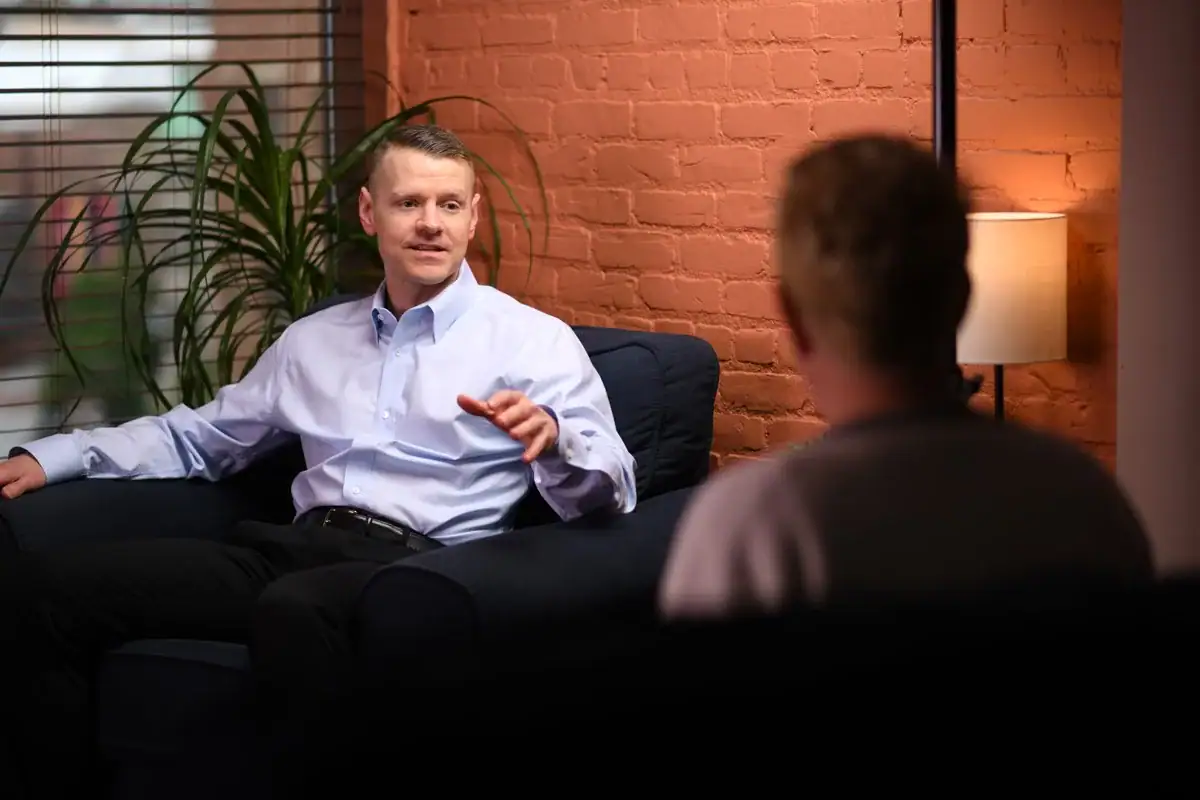
Regular therapy often focuses on talking through your feelings or exploring the origins of your anxiety. That can be helpful for some conditions, but it doesn’t address the core problem in OCD—the compulsive response to intrusive thoughts.
CBT for OCD in Edinburg, TX uses exposure and response prevention, which means you gradually face the situations or thoughts that trigger your obsessions while resisting the urge to perform compulsions. It sounds counterintuitive, but it’s the most effective treatment we have. You’re essentially retraining your brain to tolerate uncertainty and discomfort without needing to neutralize it through rituals.
The research is clear: about 75% of people who complete exposure and response prevention see significant improvement. It’s not easy work, but it’s the kind of work that leads to actual remission, not just symptom management. Most generic therapists aren’t trained in this approach, which is why specialized care makes such a difference.
Most people start noticing changes within a few weeks, but meaningful improvement usually takes several months. CBT therapy in Edinburg, TX typically involves weekly one-hour sessions over about six months, depending on the severity of your symptoms and how consistently you practice between sessions.
The timeline varies because everyone’s starting point is different. If you’ve been dealing with OCD or anxiety for years, it takes time to unlearn those patterns. If you’re catching it earlier or your symptoms are less severe, you might see results faster.
The key is that CBT isn’t about feeling better temporarily—it’s about building skills that last. You’re learning to respond differently to anxiety, not just distract yourself from it. That takes practice. But unlike medication, which stops working when you stop taking it, the skills you learn in CBT stay with you. Research shows remission rates around 59% post-treatment, and those gains hold up at follow-up.
That’s one of the most common things we hear. You’ve sat in a therapist’s office, talked about your anxiety, maybe learned some breathing exercises or positive thinking strategies—and it didn’t touch the actual problem.
Here’s why: most therapists aren’t trained in the specific protocols that work for OCD and anxiety disorders. They mean well, but generic therapy approaches don’t address the mechanisms keeping you stuck. Evidence-based anxiety treatment in Edinburg, TX uses targeted techniques like exposure therapy and cognitive restructuring—methods with decades of research backing them up.
If your previous therapy focused mainly on talking through your feelings or understanding why you’re anxious, that’s not the same as CBT. If your therapist didn’t assign homework or guide you through facing feared situations, that’s not exposure therapy. The difference isn’t subtle. It’s the difference between managing symptoms and actually changing the patterns driving them. Many of our clients have tried multiple therapists before finding specialized care, and they’re often surprised by how different the experience is.
Both. We offer secure telehealth appointments and in-person sessions in Edinburg, TX, so you can choose what works best for your situation.
Telehealth has been a game-changer for people in the Rio Grande Valley, where specialized mental health providers are scarce. You get the same quality of care, the same evidence-based treatment, without the drive time or scheduling constraints. For many people, especially those dealing with contamination fears or agoraphobia, virtual sessions actually make it easier to engage with treatment.
That said, some people prefer in-person appointments, and certain types of exposure work are easier to do face-to-face. We’re flexible. What matters most is that you’re getting the specialized care you need, delivered in a way that fits your life. The research on telehealth for CBT is strong—outcomes are comparable to in-person treatment, and sometimes better because it removes barriers that would otherwise keep people from starting or sticking with therapy.
Yes, and that’s actually a crucial part of why CBT for anxiety in Edinburg, TX works. One of the biggest obstacles to recovery is the shame and secrecy around intrusive thoughts—especially the violent, sexual, or taboo ones that come with OCD.
Here’s what you need to know: intrusive thoughts are a symptom, not a reflection of who you are or what you want. Everyone has strange, unwanted thoughts. The difference with OCD is that your brain flags them as dangerous and then won’t let them go. The more you try to suppress or neutralize them, the stronger they get.
In treatment, you’ll talk about those thoughts openly. Not because we’re trying to make you uncomfortable, but because bringing them into the light is what breaks their power. Our clinicians have heard it all—and many of them have experienced OCD themselves. There’s no thought too disturbing, too embarrassing, or too “wrong” to discuss here. That’s not just reassurance. It’s a core part of how exposure therapy works. You learn that talking about the thought doesn’t make it real, doesn’t make you a bad person, and doesn’t lead to the catastrophe your brain is predicting.
We’re fully transparent about fees, and we’ll go over costs during your first contact. Pricing depends on whether you’re using insurance, paying out-of-pocket, and what type of treatment plan you need—standard weekly sessions or intensive treatment.
We know cost is a real barrier in the Rio Grande Valley, where 40% of adults are uninsured and access to affordable mental health care is limited. That’s why we accept insurance and offer telehealth options that reduce indirect costs like travel and time off work.
What we don’t do is compromise on the quality or specialization of care to hit a lower price point. Effective CBT for OCD requires specific training, ongoing supervision, and a treatment model that’s proven to work. You’re not paying for generic therapy. You’re investing in a specialized approach with research-backed success rates—approximately 70% of people with OCD respond to this treatment, with lasting results.
If cost is a concern, talk to us. We’d rather work with you to find a solution than have you delay treatment or settle for a provider who isn’t trained in exposure-based therapies. The longer OCD and anxiety go untreated, the more entrenched they become—and the harder they are to treat later.
Other Services we provide in Edinburg