


You’re tired of managing symptoms instead of eliminating them. Exposure therapy doesn’t just teach you to live with anxiety, OCD, or PTSD—it helps you reclaim the life these conditions have stolen.
When exposure therapy works, you stop avoiding the situations that matter to you. You can touch doorknobs without spiraling into contamination fears. You can speak up in meetings without your heart racing. You can drive over bridges, fly on planes, or walk into crowded spaces without the overwhelming dread that’s been controlling your choices.
The difference isn’t just feeling better—it’s living freely. You make decisions based on what you want, not what your anxiety will allow.
We bring nationally recognized expertise directly to Fort Worth. Our team includes published researchers, clinical leaders who’ve shaped international treatment guidelines, and specialists with lived experience of the conditions we treat.
This isn’t your typical therapy practice. We’re the clinicians other therapists refer their most challenging cases to. We’ve written the books, conducted the research, and developed the protocols that define effective exposure therapy.
Fort Worth residents no longer need to travel to major medical centers for world-class anxiety and OCD treatment. Our expertise comes to you—whether through secure telehealth sessions or in-person appointments that fit your schedule and comfort level.

Exposure therapy works by gradually facing the situations your anxiety has taught you to avoid. But this isn’t about throwing you into the deep end—it’s a carefully planned process that builds confidence step by step.
Your therapist starts with a thorough assessment to understand your specific triggers, avoidance patterns, and treatment goals. Together, you’ll create a hierarchy of exposures, starting with situations that cause mild anxiety and gradually working toward the scenarios that feel most challenging.
Each exposure is designed to teach your brain that the catastrophic outcomes you’ve been predicting don’t actually happen. You’ll learn that anxiety is uncomfortable but manageable, and that you’re far more capable than your fears have led you to believe. The process includes both imaginal exposures (confronting feared thoughts and memories) and in-vivo exposures (facing real-world situations), all tailored to your specific needs and delivered at a pace that promotes lasting change.

Ready to get started?
Fort Worth clients have access to cutting-edge treatment modalities that aren’t available everywhere. Virtual reality exposure therapy allows you to confront feared situations in a controlled, immersive environment before transitioning to real-world exposures.
For social anxiety, you can practice public speaking in virtual auditoriums or navigate social interactions without the pressure of actual judgment. For specific phobias, you can gradually approach heights, animals, or medical procedures in a safe virtual space. The technology creates realistic scenarios that trigger genuine anxiety responses while maintaining complete control over the experience.
We also offer intensive four-day treatment programs for clients who need more concentrated intervention than weekly sessions provide. This format is particularly effective for individuals traveling from other areas or those whose symptoms require immediate, focused attention. All treatment approaches maintain the same evidence-based foundation while adapting to the unique needs of Fort Worth’s diverse community.
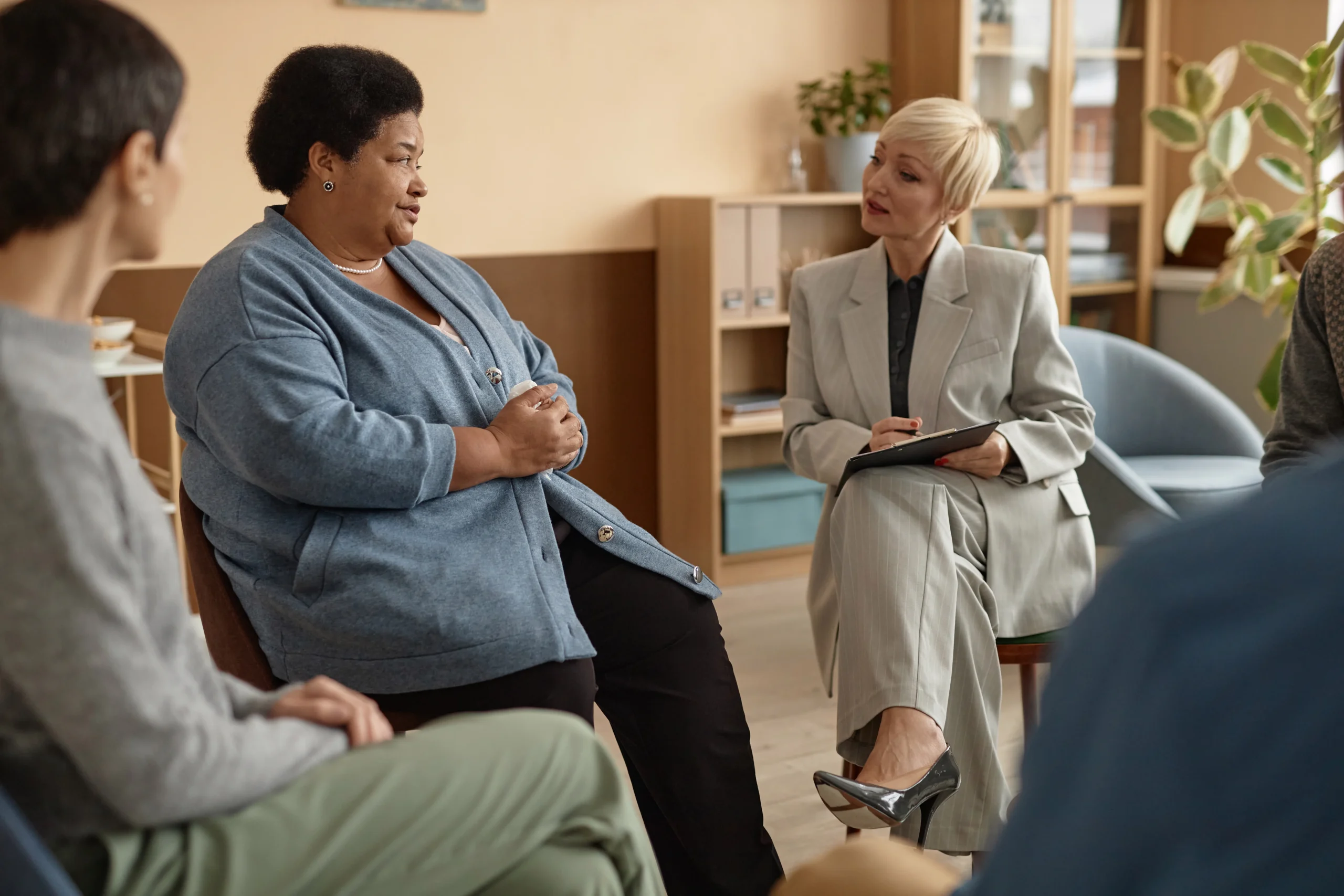
Exposure therapy consistently demonstrates superior effectiveness compared to other anxiety treatments in clinical research. Studies show large effect sizes when compared to waitlist controls and treatment-as-usual approaches, with approximately 70-80% of patients experiencing significant symptom reduction.
The treatment works by targeting the core mechanism that maintains anxiety disorders—avoidance. When you repeatedly face feared situations without the catastrophic outcomes your anxiety predicts, your brain learns new, more accurate associations. This learning generalizes beyond the therapy room, creating lasting changes in how you respond to previously overwhelming situations.
For OCD specifically, Exposure and Response Prevention (ERP) is considered the gold standard treatment, with research showing it’s more effective than medication alone and provides longer-lasting results than other therapeutic approaches.
Virtual reality exposure therapy (VRET) offers several advantages over traditional in-vivo exposure while maintaining the same therapeutic principles. The technology allows for precise control over exposure variables—you can adjust the intensity, duration, and specific elements of feared situations in ways that aren’t possible in real-world settings.
For many clients, VRET feels more acceptable than jumping directly into real-world exposures. You can practice confronting fears in a private, controlled environment before transitioning to actual situations. This can be particularly valuable for social anxiety, where the fear of judgment makes traditional group exposures challenging.
Research demonstrates that VRET produces comparable outcomes to in-person exposure therapy, with some studies showing superior results for specific conditions. The immersive nature of VR creates genuine anxiety responses that allow for meaningful therapeutic learning, while the safety of the virtual environment encourages engagement with treatment.
Most clients begin noticing changes within the first few weeks of consistent exposure therapy, though the timeline varies based on symptom severity, treatment frequency, and individual factors. Research indicates that significant improvement typically occurs within 12-16 sessions for most anxiety disorders.
The key is consistency and willingness to engage with the exposures between sessions. Clients who complete homework assignments and practice exposures in their daily lives tend to see faster, more durable results. Some individuals experience dramatic improvements in just a few sessions, while others require longer-term treatment to achieve their goals.
For intensive treatment formats, like the four-day programs we offer, clients often see substantial changes within that concentrated timeframe. However, lasting recovery typically involves continued practice and occasional “booster” sessions to maintain gains and address new challenges as they arise.
When conducted by properly trained clinicians, exposure therapy for PTSD (specifically Prolonged Exposure) is both safe and highly effective. The treatment involves gradually confronting trauma memories and trauma-related situations that have been avoided, but this is done in a carefully controlled, supportive environment.
Your therapist will conduct a thorough assessment to ensure you’re ready for exposure-based treatment and will teach you coping skills before beginning trauma-focused work. The process involves both imaginal exposure (repeatedly recounting the trauma memory) and in-vivo exposure (gradually approaching safe situations you’ve been avoiding due to trauma).
Research consistently shows that Prolonged Exposure produces significant reductions in PTSD symptoms, with effects that are maintained long-term. While the treatment can initially increase distress as you confront avoided memories and situations, this temporary increase leads to substantial symptom relief as your brain learns that trauma memories, while painful, are not dangerous in themselves.
Yes, exposure therapy can be effectively delivered through secure telehealth platforms, and research supports its effectiveness in virtual formats. Many exposure exercises can be conducted remotely, including imaginal exposures, some in-vivo exposures in your home environment, and virtual reality exposures using specialized equipment.
Telehealth exposure therapy offers significant advantages for Fort Worth residents, including elimination of travel time, increased scheduling flexibility, and the ability to work with specialized providers who might not be geographically accessible otherwise. You can practice exposures in your natural environment where symptoms often occur, making the treatment more relevant to your daily life.
We provide secure, HIPAA-compliant telehealth services that maintain the same therapeutic standards as in-person treatment. Your therapist can guide you through exposures in real-time, provide immediate support and feedback, and help you process the experience just as they would in a traditional office setting.
Your first session focuses on comprehensive assessment and treatment planning rather than jumping directly into exposures. Your therapist will want to understand your symptom history, current challenges, previous treatment experiences, and specific goals for therapy.
You’ll work together to identify your avoidance patterns, trigger situations, and the ways anxiety or OCD has been impacting your life. This information helps create a personalized treatment plan and exposure hierarchy tailored to your specific needs. Your therapist will also explain how exposure therapy works, address any concerns you have about the process, and ensure you feel comfortable moving forward.
The session includes education about your specific condition, discussion of what to expect from treatment, and initial goal-setting. You won’t be asked to confront major fears in this first meeting—instead, the focus is on building rapport, establishing trust, and creating a solid foundation for the therapeutic work ahead. Many clients leave the first session feeling hopeful and more confident about their ability to overcome the challenges they’re facing.
Other Services we provide in Fort Worth