


You’re not looking for temporary fixes or surface-level coping strategies. You want your life back—the ability to go places without panic, to have thoughts without compulsions, to live without constant avoidance.
Exposure therapy doesn’t just reduce symptoms. It rewires how your brain responds to fear. You’ll face situations that once felt impossible, discovering they’re manageable. The intrusive thoughts lose their power. The places you’ve avoided become accessible again.
This isn’t about eliminating all anxiety—that’s not realistic or healthy. It’s about building genuine confidence in your ability to handle discomfort, uncertainty, and the normal challenges of life without being controlled by fear.
We bring world-class expertise directly to Temple, TX residents through both virtual and in-person care. Our team includes nationally known researchers who have shaped international OCD treatment guidelines and authored foundational books in the field.
What sets us apart is the combination of clinical authority and lived experience. Many of our clinicians have personal experience with the conditions they treat, creating an environment where you feel truly understood rather than judged.
Temple residents no longer need to travel to major metropolitan areas for specialized anxiety and OCD treatment. You get the same evidence-based care that’s available at top academic centers, delivered with the accessibility and responsiveness that smaller communities deserve.

Exposure therapy works by gradually and systematically facing the things you’ve been avoiding, but it’s not about throwing you into the deep end. Every step is planned, paced, and designed around your specific situation.
First, you’ll work with your therapist to identify exactly what triggers your anxiety or compulsions. Together, you’ll create a hierarchy—starting with situations that cause mild discomfort and building toward more challenging scenarios. This isn’t guesswork; it’s based on decades of research showing this gradual approach is most effective.
During exposure sessions, you’ll deliberately encounter these triggers while learning that the feared consequences either don’t happen or are manageable. Your brain begins to understand that these situations aren’t actually dangerous. Between sessions, you’ll practice these exposures in real-world settings, building confidence and momentum.
The process isn’t comfortable—that’s the point. But it’s structured, supported, and proven to work when traditional talk therapy hasn’t been enough.

Ready to get started?
Temple residents have access to our full range of exposure-based treatments, including traditional in-vivo exposure, imaginal exposure for trauma processing, and cutting-edge virtual reality exposure therapy. This technology allows for controlled, repeatable exposures that would be difficult or impossible to arrange in real life.
For social anxiety, you might practice public speaking in virtual environments before real-world presentations. PTSD treatment includes prolonged exposure sessions that help process traumatic memories safely. OCD treatment focuses on exposure and response prevention, breaking the cycle of compulsions that maintain anxiety.
We serve all ages and offer flexible scheduling options including intensive four-day treatment programs for those who need faster results. With Temple’s growing healthcare infrastructure and the area’s focus on accessible mental health services, residents can receive specialized care without the barriers that often prevent people from getting help.
Both telehealth and in-person appointments are available, ensuring that geographic location, work schedules, or transportation challenges don’t prevent you from accessing the treatment you need.
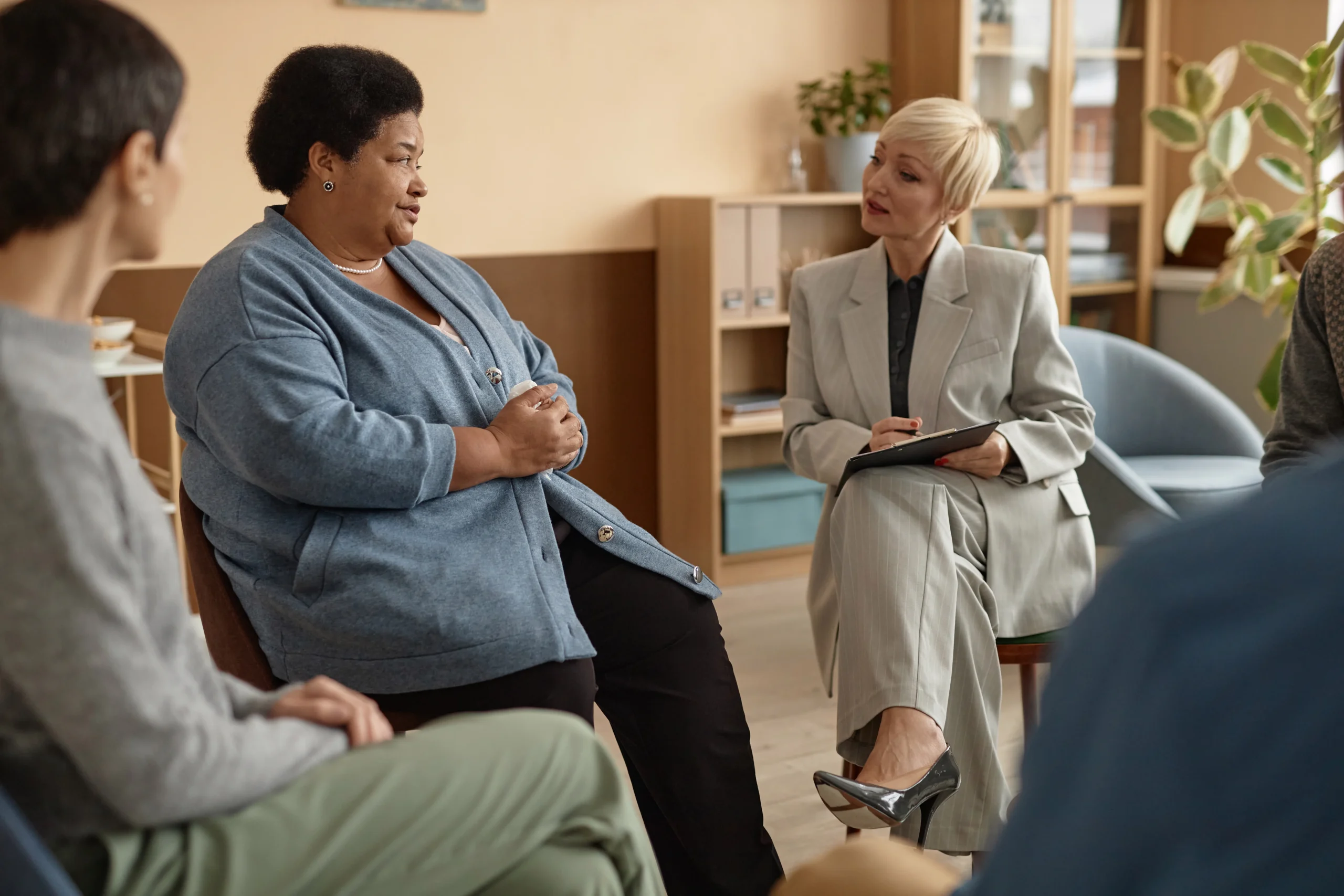
Research consistently shows exposure therapy produces large effect sizes for anxiety disorders, OCD, and PTSD—meaning significant, measurable improvement for most people who complete treatment. Meta-analyses involving thousands of participants demonstrate that exposure-based treatments are more effective than waitlist controls and often outperform other therapeutic approaches.
The effectiveness isn’t just statistical. Studies show that 60-80% of people with specific phobias, social anxiety, and OCD experience substantial symptom reduction that’s maintained months after treatment ends. For PTSD, prolonged exposure is recommended as a first-line treatment by major professional organizations including the American Psychological Association.
What makes exposure therapy particularly valuable is that the improvements tend to last. Unlike medication, which stops working when you stop taking it, exposure therapy teaches your brain new patterns that persist over time.
Virtual reality exposure therapy (VRET) offers several advantages over traditional exposure methods, particularly for situations that are difficult to recreate or control in real life. Research shows VRET can be significantly more effective than traditional exposure therapy in reducing anxiety symptoms.
VRET allows for precise control over exposure intensity and duration. You can practice flying on an airplane, speaking to large audiences, or confronting specific trauma-related scenarios in a completely safe environment. The virtual scenarios can be repeated exactly, adjusted in real-time, and graduated more precisely than real-world exposures.
Many people find VRET more acceptable than traditional exposure because it feels safer initially, yet still produces the physiological and psychological responses needed for treatment to work. Studies show that people often experience comparable anxiety reduction in virtual environments as they do in real-life situations, making it an effective bridge to real-world functioning.
Most people begin noticing changes within the first few exposure sessions, though significant improvement typically occurs over 12-20 sessions for most anxiety disorders. The timeline varies based on the specific condition, severity of symptoms, and how consistently you engage with the treatment.
For specific phobias, improvement can be rapid—sometimes just a few sessions. Social anxiety and OCD typically require longer treatment periods, often 16-20 sessions. PTSD treatment using prolonged exposure usually involves 8-15 sessions, with many people experiencing meaningful improvement by session 6-8.
The key is consistency and willingness to engage with the discomfort. People who practice exposures between sessions and follow through with homework assignments typically see faster results. Our intensive four-day treatment option can accelerate this timeline for those who need quicker results due to work, school, or life circumstances.
Exposure therapy is considered safe when conducted by trained professionals, even for severe anxiety and trauma. The treatment is designed with multiple safeguards and is paced according to your tolerance and readiness. Research shows that properly conducted exposure therapy doesn’t increase suicide risk or cause lasting psychological harm.
The “gradual” in gradual exposure is crucial. Treatment starts with situations that cause mild to moderate anxiety, not your worst fears. You maintain control throughout the process—you can pause, adjust the intensity, or take breaks as needed. Your therapist monitors your responses and adjusts the approach based on your reactions.
For trauma-related conditions, specialized protocols like prolonged exposure for PTSD have been extensively studied and refined to maximize safety. The treatment helps you process traumatic memories in a controlled way, reducing their power over your daily life. While the process involves temporary discomfort, it’s designed to reduce overall suffering in the long term.
Your first session focuses on assessment and education rather than jumping into exposures. You’ll discuss your specific symptoms, triggers, and avoidance behaviors in detail. Your therapist will explain how exposure therapy works, what the research shows, and what you can realistically expect from treatment.
Together, you’ll begin creating a hierarchy of feared situations, ranking them from least to most anxiety-provoking. This becomes your roadmap for treatment. You’ll also learn about the relationship between thoughts, feelings, and behaviors, and how avoidance maintains anxiety over time.
The session includes discussion of your goals, concerns about treatment, and any questions about the process. Some therapists may introduce brief, mild exposures to demonstrate the principles, but major exposures typically begin in subsequent sessions once you’re fully prepared and understand the rationale behind the approach.
Exposure therapy can be effectively combined with medication, and for some conditions like OCD, the combination may be more effective than either treatment alone. The key is timing and coordination between your therapist and prescribing physician.
Some medications can actually interfere with exposure therapy if they completely eliminate anxiety during sessions—the brain needs to experience some discomfort to learn new responses. However, medications that reduce overall anxiety levels while still allowing you to feel the emotions during exposures can be helpful.
For OCD, research suggests that combining exposure and response prevention with serotonin reuptake inhibitors (SSRIs) often produces better outcomes than either treatment alone. For PTSD, medication can help stabilize symptoms enough to engage effectively in prolonged exposure therapy. Your treatment team will coordinate to ensure medications support rather than interfere with your exposure work.
Other Services we provide in Temple